After a long delay, caused by work, we’re going to catch up with a few blog posts. The first is from Tariq, who took notes during the trip, especially when I remembered to stop and translate what was being said, or when he asked questions.
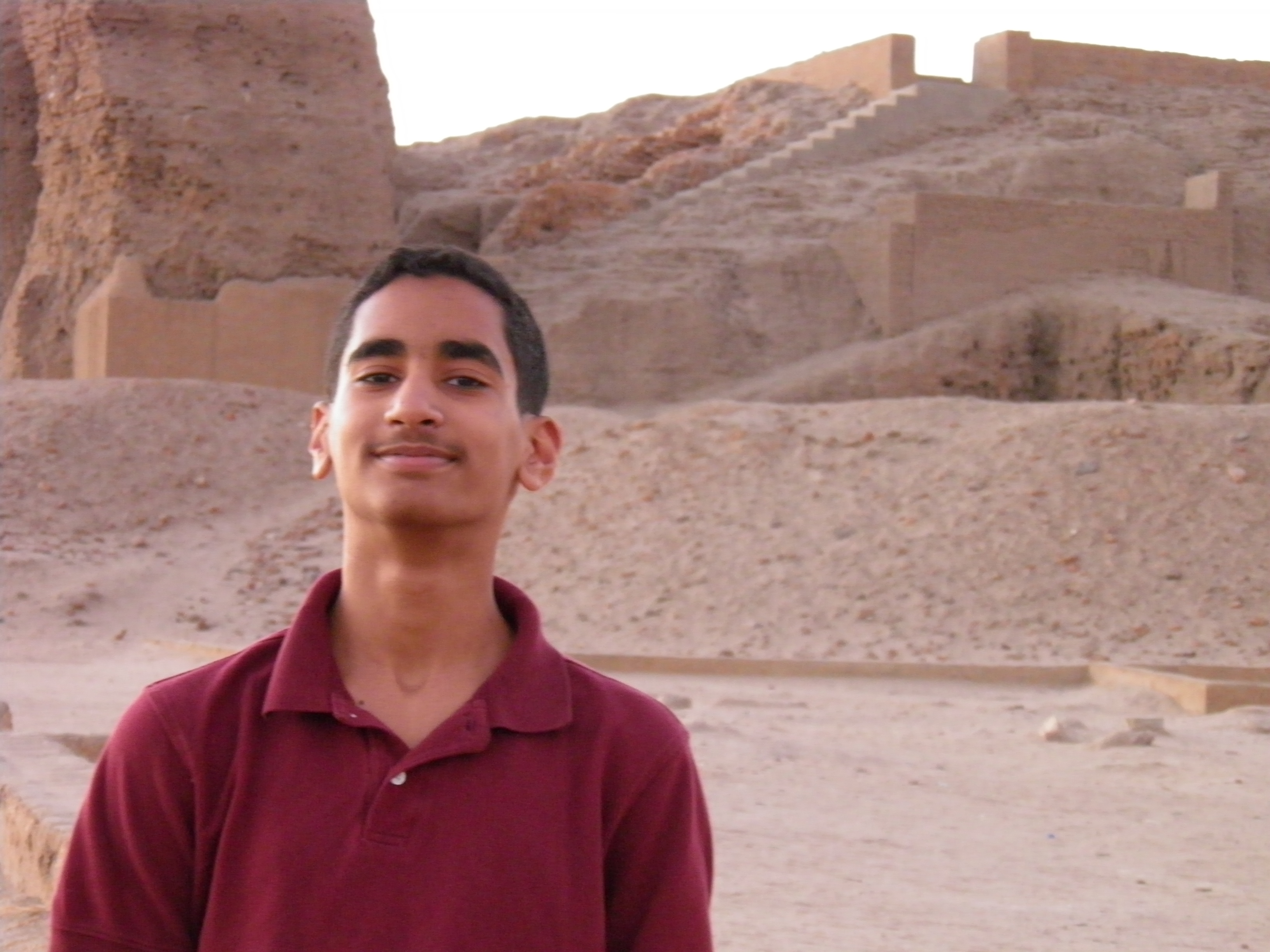
In Wadi Halfa, we wanted to hear the opinions of Nubians that decided to stay near the site of flood after being given the opportunity to move to the new settlement and be granted aid from the Government.
Villagers that decided to stay near their original villages (after being given the option to move to New Halfa and receive aid from the Sudanese government) were far more satisfied than those who chose to leave. What were the components of their definition of satisfaction, and what made them claim to feel that way?
Would any Nubians consider themselves more satisfied with their current positions in comparison to life before the flood? Nubians that were less wealthy before the flood could have taken the flood as a change to restart and have an opportunity to gain wealth and compare with wealthier villagers before the flood.
We met a number of Nubians who did not move, but rather stayed in Nubia over the last fifty years. “Before it was flooded, it was the most beautiful city in Africa” Wadi Halfa had the second largest international airport in Sudan and the best hotel.
The timeline for relocation was very short, especially for a new country.
- 1959-Water Sharing Agreement was signed
- 1962-Houses and trees were counted for compensation
- 1963-Immigration preparation
- 1964-First trains left
Villagers that did not move were pleased with their decision. They explained that the Egyptians would have taken their land if they had moved. “There was not much of a future for the people who left”.
During 1964 when the trains left the government removed all services such as electricity and schooling. Electricity did not return until last year. The villagers established their own schools and relied on generators for electricity.
I find it interesting that villagers that didn’t chose to emigrate still feel more satisfied than those who did emigrate, despite the fact that the government didn’t provide basic services until last year.
But still they have many problems to work on. “The trade between does not benefit the Nubians; there isn’t much to export to Egypt. Egyptians are only looking after their interests and much more than Sudan look after theirs.”
“Looking around, you can see that the government isn’t supplying much”
Now, gold has been discovered here. People from other parts of the country are coming in, but the Nubians aren’t benefiting much. “So many people are coming in that we cant find space for our next generation.”
“The economy is growing. Halfa is now the best city of Northern Sudan”
-A man explained that his father was crying when he came back to Nubia in the 1970s because the top of the mosque that he used to pray in as a child was underwater; he was living in Egypt at that time. He came back to Nubia last week and observed that the entire village had been rebuilt and reborn. After seeing it 41 years ago in flood and ruin, he is pleased to see that it is back in order.
Even though nearby villages were not drowned in the river, they were dependent on Wadi Halfa. It was the main economic center of the Northern Sudanese region. Eventually, this caused emigration from villages that weren’t flooded by the high dam.
Many people wanted to form a union with Egypt. There were two positions created; pro independence and pro union. Later on, an Egyptian prime minister was seen to be interfering with Sudan’s relations with Southern Sudan. Many Northern Sudanese were displeased with this act, and pro union members joined the pro independence position.
After these movements and arguments, Abboud took power in Sudan and immediately went through with the Water Sharing agreement between Sudan and Egypt. The Sudanese were completely unprepared for their agreement to be signed, and Egypt had offered only 10 million pounds in compensation for the destruction to come. The side threw out an estimate of 20million pounds without any research. They reached an agreement of 15million pounds. Later, when Abboud visited Nubia, he began to cry, as he did not realize that the area was so developed. Later research has been done and the calculation have lead to an estimate of 120 million pounds for the 700,000 date trees alone. Only one pound was given in compensation for the majority of the trees, and ten pounds for the better date trees.
Another issue was the state of education. Before the flood, education in Nubia was superior and the region was able to send 360 students to Khartoum University, the best in Sudan. The quality of education has now suffered and for the last decade they have not been able to send that many students as they did during that one year.
All the development that has occurred since the flood has been as a result of political pressure.
A man that we interviewed mentioned that instead of looking back at the flood and its history, we have to look forward and come up with ways to further develop and return the region to its original state. He came up with ideas such as exporting organic fruits and vegetables, because the soil has enough silt to grow the food without pesticides and chemicals. The future of Nubia will depend not on blaming the past but on more ideas like this to rebuild a new Nubia.
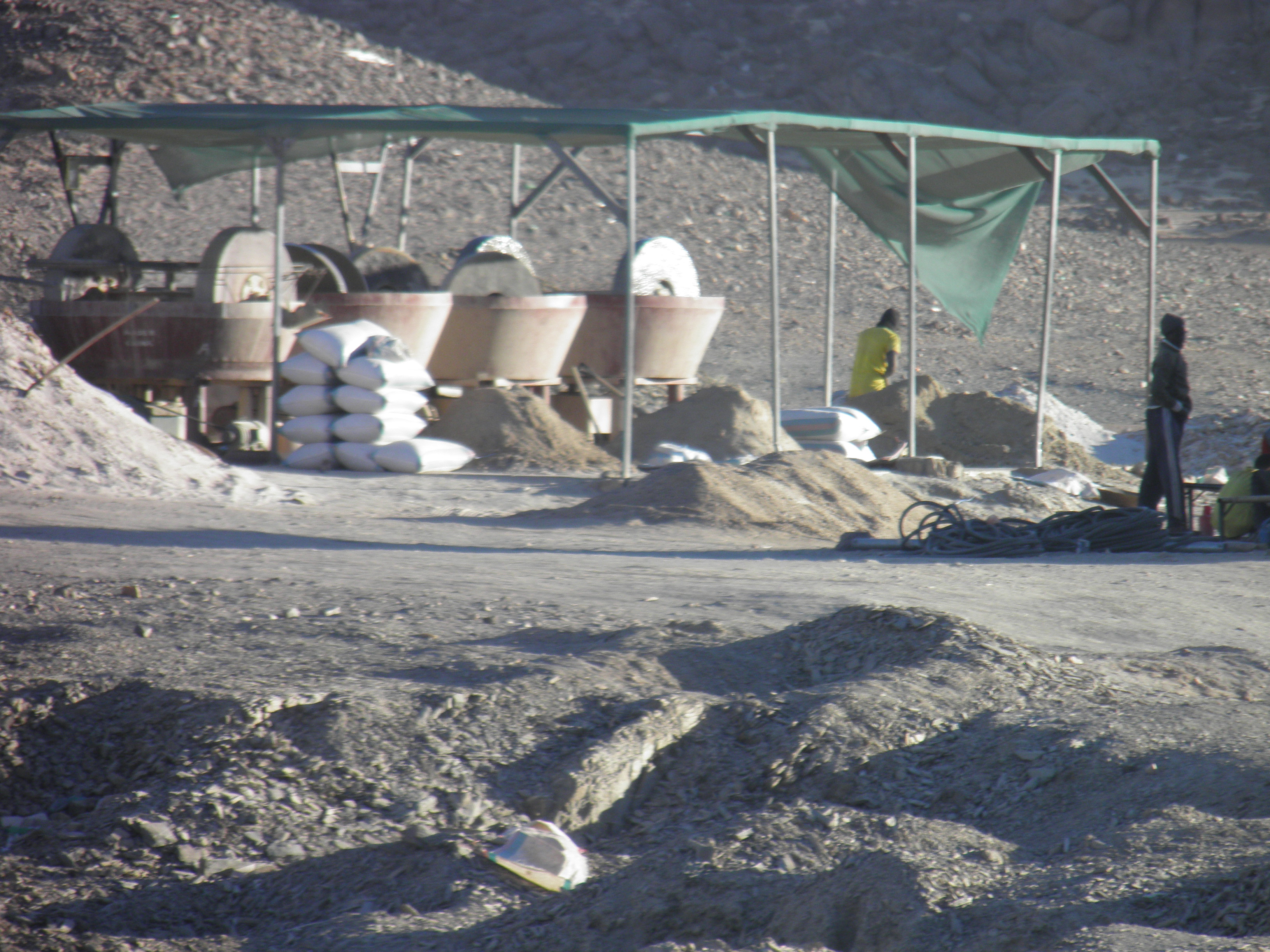


 After the flood