Uncategorized

Uncategorized

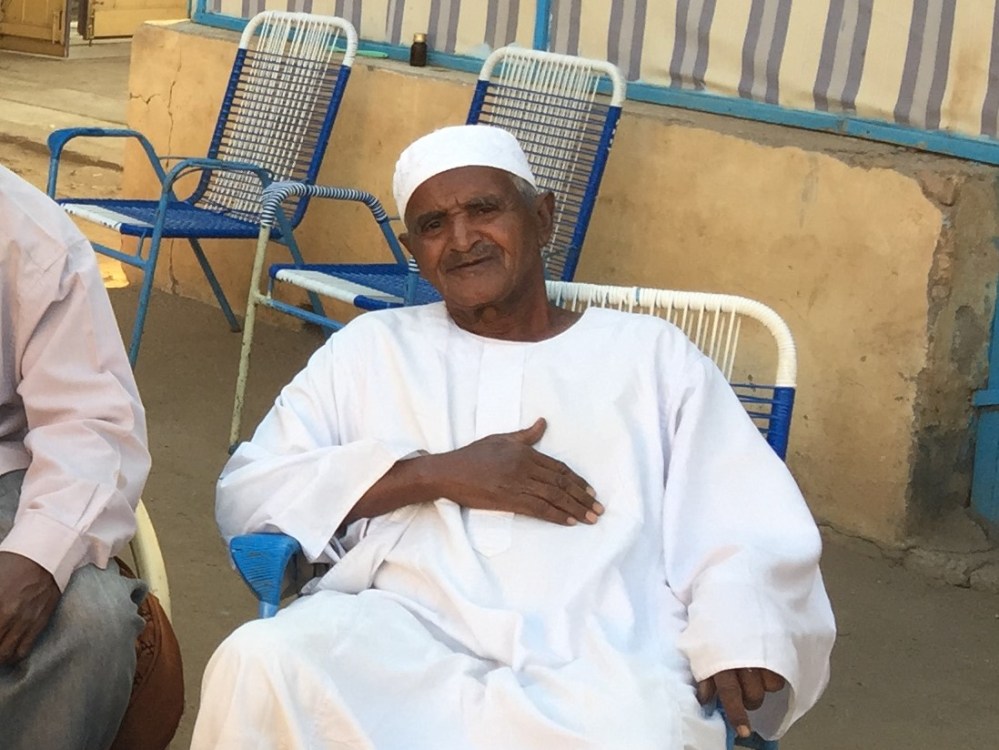
Salah Abdel Halim


1 Comment

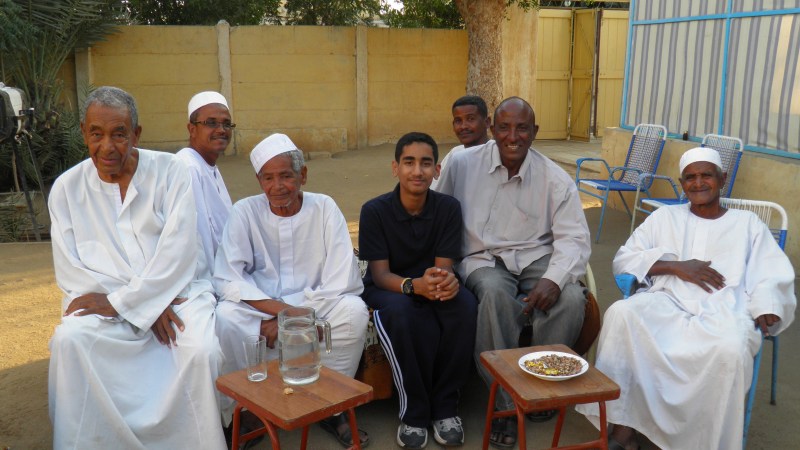
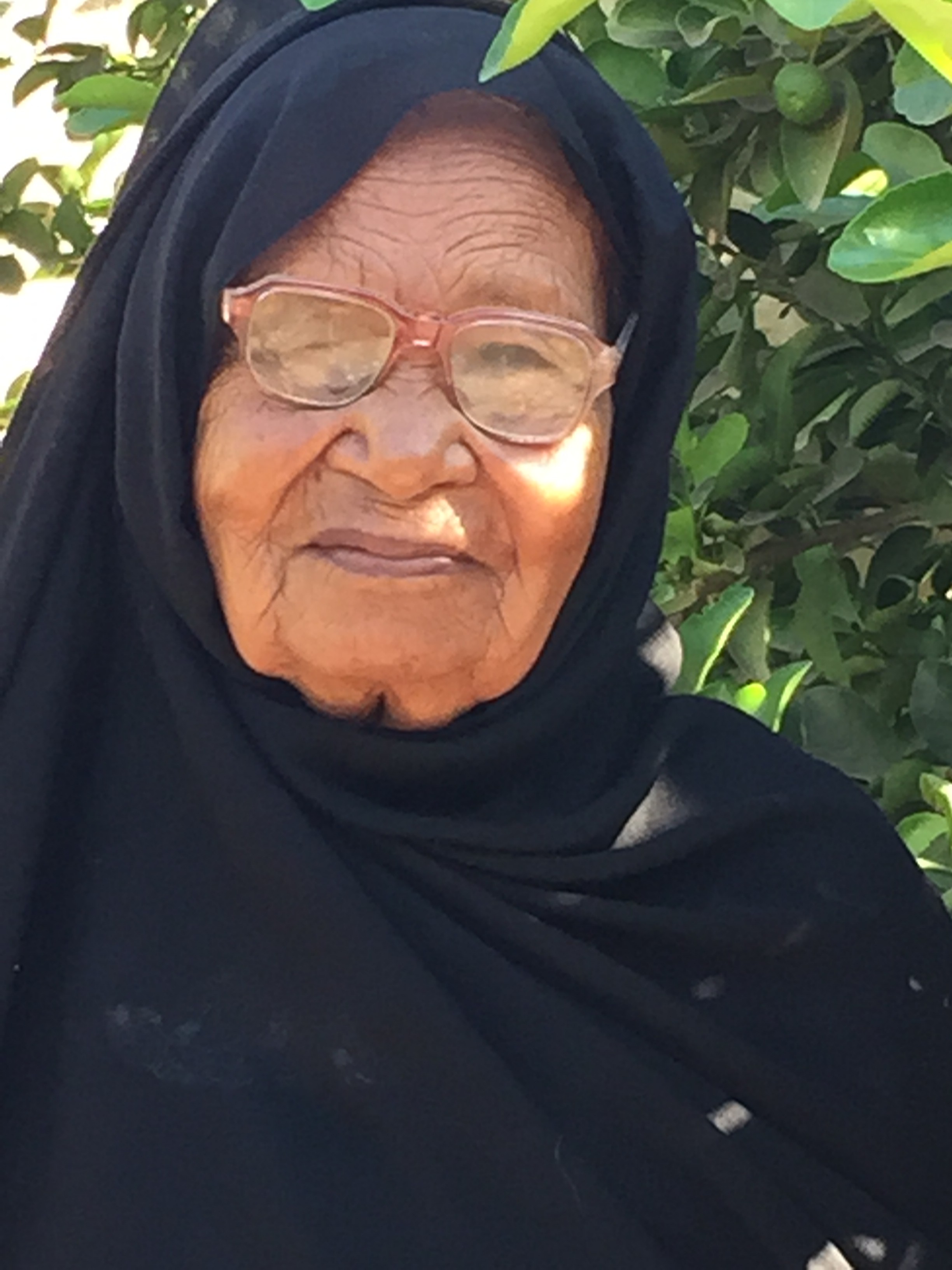
I’m sorry to report that one of the older gentlemen that we interviewed in the resettlement community of New Halfa passed away in late December 2017.   We had a brief interview with him, in which he complained about the lack of government attention to the infrastructure in New Halfa.  He noted that the government delivered asphalt but never actually paved the roads.  What is important is that another member of the generation that lived through the Exodus is now gone.

As we learned in our visit to New Halfa, this is a very special generation. Salah Abdel Halim’s generation grew up in old Nubia before the flood and was old enough to know the joys and challenges of life.  The mental image held by this generation is frozen in time.  It is of old Nubia before the exodus, over fifty years ago. They had to confront the reality of losing their homeland that they had known for millennia, board the trains as a community, and rebuild their lives in an entirely different ecosystem and climate.   There are not many experiences like this in history.  Perhaps because the exodus was involuntary, the beauty and simplicity of life in Nubia before the flood cannot leave their hearts. As one of his friends told us, even if he blessed enough to get to heaven, he will still dream of the Nubia he left behind.

The exodus is now part of Nubia’s history and culture.  As people like Salah Abdel Halim move on from this world to the next, it is vital that we take the time to listen and learn from them.  May he rest in peace, among date palms and a river very much like that he left behind.

IMG_0439 (2)

Uncategorized

Tariq’s Notes in Wadi Halfa


No Comments

After a long delay, caused by work, we’re going to catch up with a few blog posts.  The first is from Tariq, who took notes during the trip, especially when I remembered to stop and translate what was being said, or when he asked questions.

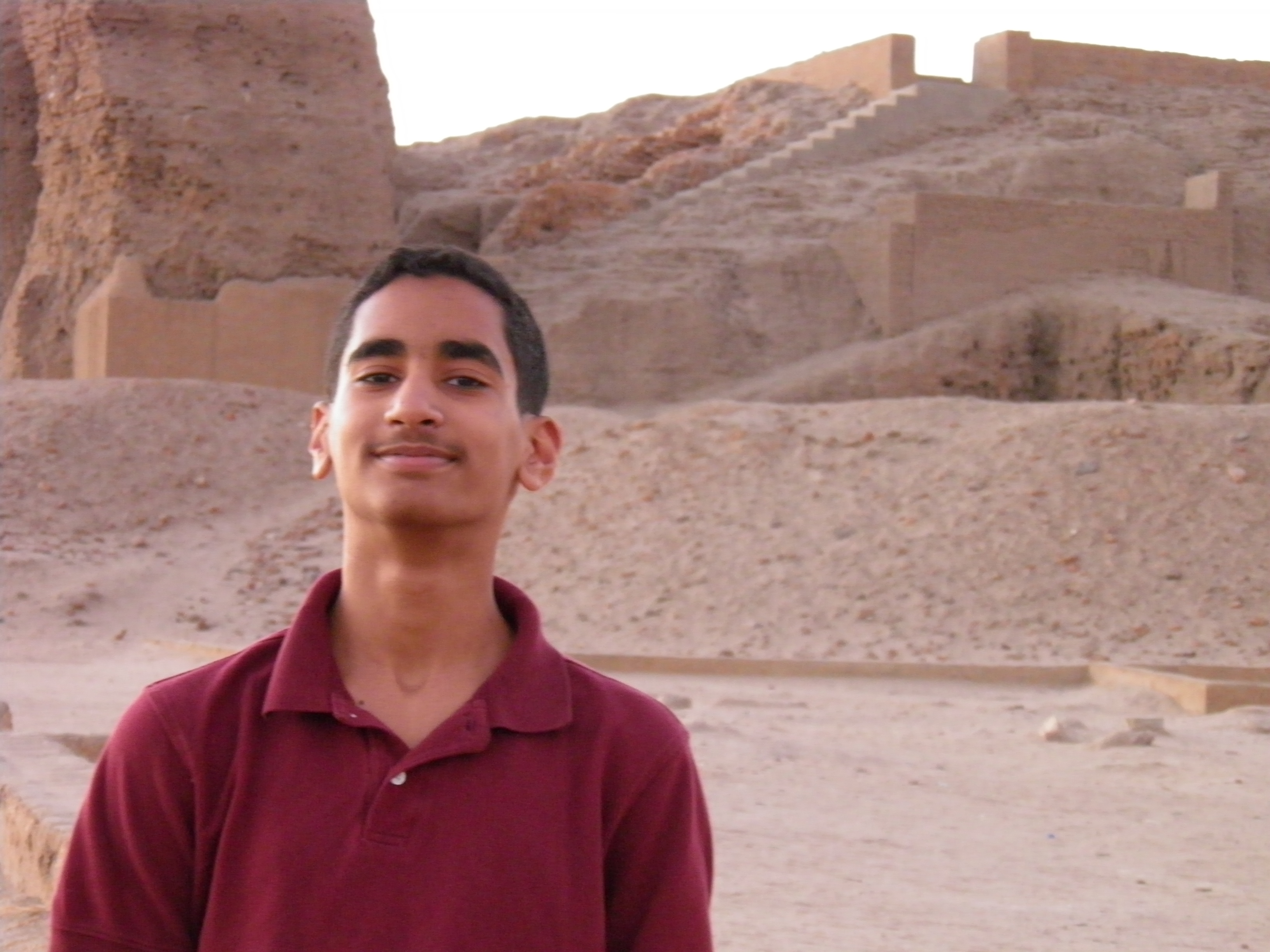
Tariq in Kerma

In Wadi Halfa, we wanted to hear the opinions of Nubians that decided to stay near the site of flood after being given the opportunity to move to the new settlement and be granted aid from the Government.

Villagers that decided to stay near their original villages (after being given the option to move to New Halfa and receive aid from the Sudanese government) were far more satisfied than those who chose to leave. What were the components of their definition of satisfaction, and what made them claim to feel that way?

Would any Nubians consider themselves more satisfied with their current positions in comparison to life before the flood? Nubians that were less wealthy before the flood could have taken the flood as a change to restart and have an opportunity to gain wealth and compare with wealthier villagers before the flood.

We met a number of Nubians who did not move, but rather stayed in Nubia over the last fifty years.  “Before it was flooded, it was the most beautiful city in Africa”  Wadi Halfa had the second largest international airport in Sudan and the best hotel.

The timeline for relocation was very short, especially for a new country.

  • 1959-Water Sharing Agreement was signed
  • 1962-Houses and trees were counted for compensation
  • 1963-Immigration preparation
  • 1964-First trains left

Villagers that did not move were pleased with their decision. They explained that the Egyptians would have taken their land if they had moved. “There was not much of a future for the people who left”.

During 1964 when the trains left the government removed all services such as electricity and schooling. Electricity did not return until last year. The villagers established their own schools and relied on generators for electricity.

I find it interesting that villagers that didn’t chose to emigrate still feel more satisfied than those who did emigrate, despite the fact that the government didn’t provide basic services until last year.

But still they have many problems to work on.  “The trade between does not benefit the Nubians; there isn’t much to export to Egypt. Egyptians are only looking after their interests and much more than Sudan look after theirs.”

“Looking around, you can see that the government isn’t supplying much”

Now, gold has been discovered here. People from other parts of the country are coming in, but the Nubians aren’t benefiting much. “So many people are coming in that we cant find space for our next generation.”

“The economy is growing. Halfa is now the best city of Northern Sudan”

-A man explained that his father was crying when he came back to Nubia in the 1970s because the top of the mosque that he used to pray in as a child was underwater; he was living in Egypt at that time. He came back to Nubia last week and observed that the entire village had been rebuilt and reborn. After seeing it 41 years ago in flood and ruin, he is pleased to see that it is back in order.

Even though nearby villages were not drowned in the river, they were dependent on Wadi Halfa. It was the main economic center of the Northern Sudanese region. Eventually, this caused emigration from villages that weren’t flooded by the high dam.

Many people wanted to form a union with Egypt. There were two positions created; pro independence and pro union. Later on, an Egyptian prime minister was seen to be interfering with Sudan’s relations with Southern Sudan.  Many Northern Sudanese were displeased with this act, and pro union members joined the pro independence position.

After these movements and arguments, Abboud took power in Sudan and immediately went through with the Water Sharing agreement between Sudan and Egypt. The Sudanese were completely unprepared for their agreement to be signed, and Egypt had offered only 10 million pounds in compensation for the destruction to come. The side threw out an estimate of 20million pounds without any research. They reached an agreement of 15million pounds. Later, when Abboud visited Nubia, he began to cry, as he did not realize that the area was so developed. Later research has been done and the calculation have lead to an estimate of 120 million pounds for the 700,000 date trees alone. Only one pound was given in compensation for the majority of the trees, and ten pounds for the better date trees.

Another issue was the state of education. Before the flood, education in Nubia was superior and the region was able to send 360 students to Khartoum University, the best in Sudan. The quality of education has now suffered and for the last decade they have not been able to send that many students as they did during that one year.

All the development that has occurred since the flood has been as a result of political pressure.

A man that we interviewed mentioned that instead of looking back at the flood and its history, we have to look forward and come up with ways to further develop and return the region to its original state. He came up with ideas such as exporting organic fruits and vegetables, because the soil has enough silt to grow the food without pesticides and chemicals.  The future of Nubia will depend not on blaming the past but on more ideas like this to rebuild a new Nubia.

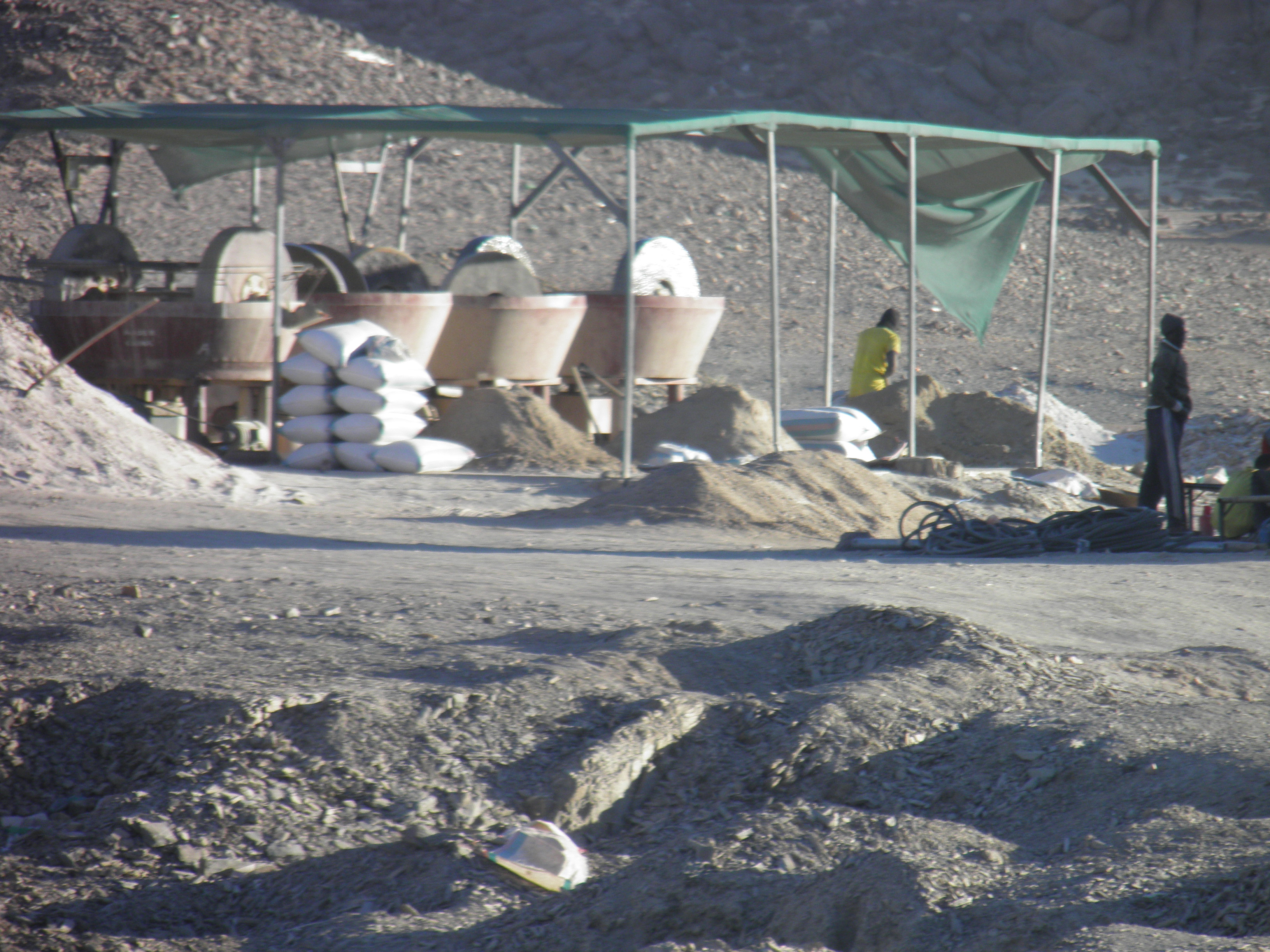
Gold mining operation

Uncategorized

Wadi Halfa: A painful history


No Comments

We arrived in Wadi Halfa around midnight, a full day’s travel and a historical detour behind us.  Our pace had slowed as the hours went on, the highway lit only by our headlights had grown more serpentine.

Yet we were surprised to find that Hamu, with whom we would be staying, was not only still awake, he was ready to greet us with a Sudanese dinner.  He now working as a shipping agent on the newly opened border post between Egypt and Sudan, I knew his brother living in the US.  He and his brother generously opened their home to us.

The next morning, we woke up to the sound of the children of the house laughing as they headed off to kindergarten, wearing their backpacks.  From Jakarta to Juba, seeing children heading to school is always a good sign, giving hope that society has its priorities in order and is preparing for a brighter day ahead.  Maybe the next generation will overcome our many failings.   I was carrying a guava from the tree in my father’s house that I intended to plant in Halfa.  But the girl’s laughter was too charming and I gave it to her.

As they headed off my thoughts turned not to the future but to the ancient past.  I came to experience the place of my grandfather’s birth, and his grandfather, and his; that part of our identity that I referred to as “Halfawi,” or “from Halfa” even though I could never set foot in that submerged village that was evacuated two years before my birth.  Having met the neighbors that were relocated to New Halfa, and having walked through the house my father was allocated, this visit could only be about understanding the story of the flood from those who had refused to emigrate.

On the other hand, my mother’s side of the family came from a village some 120 kilometers to the south; a village called Sarkametto just beyond the reach of Lake Nubia.  We had passed it during the night but it was too dark to notice.  After visiting the city center, our plan was also to visit there, to search from at least some traces of my ancestors above the water line.

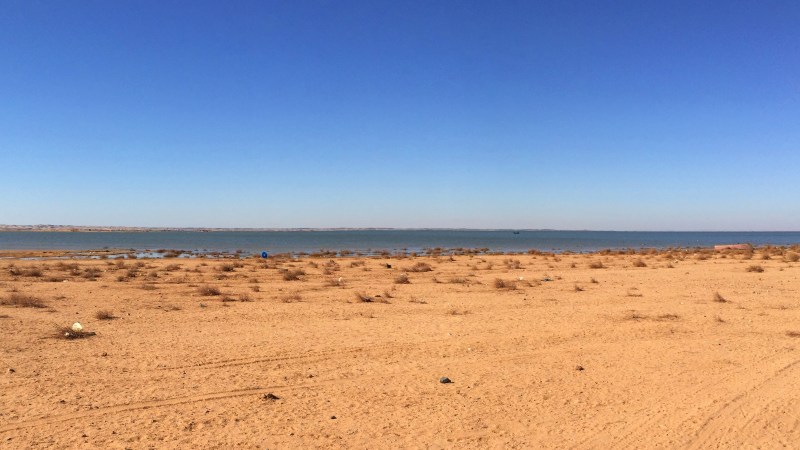
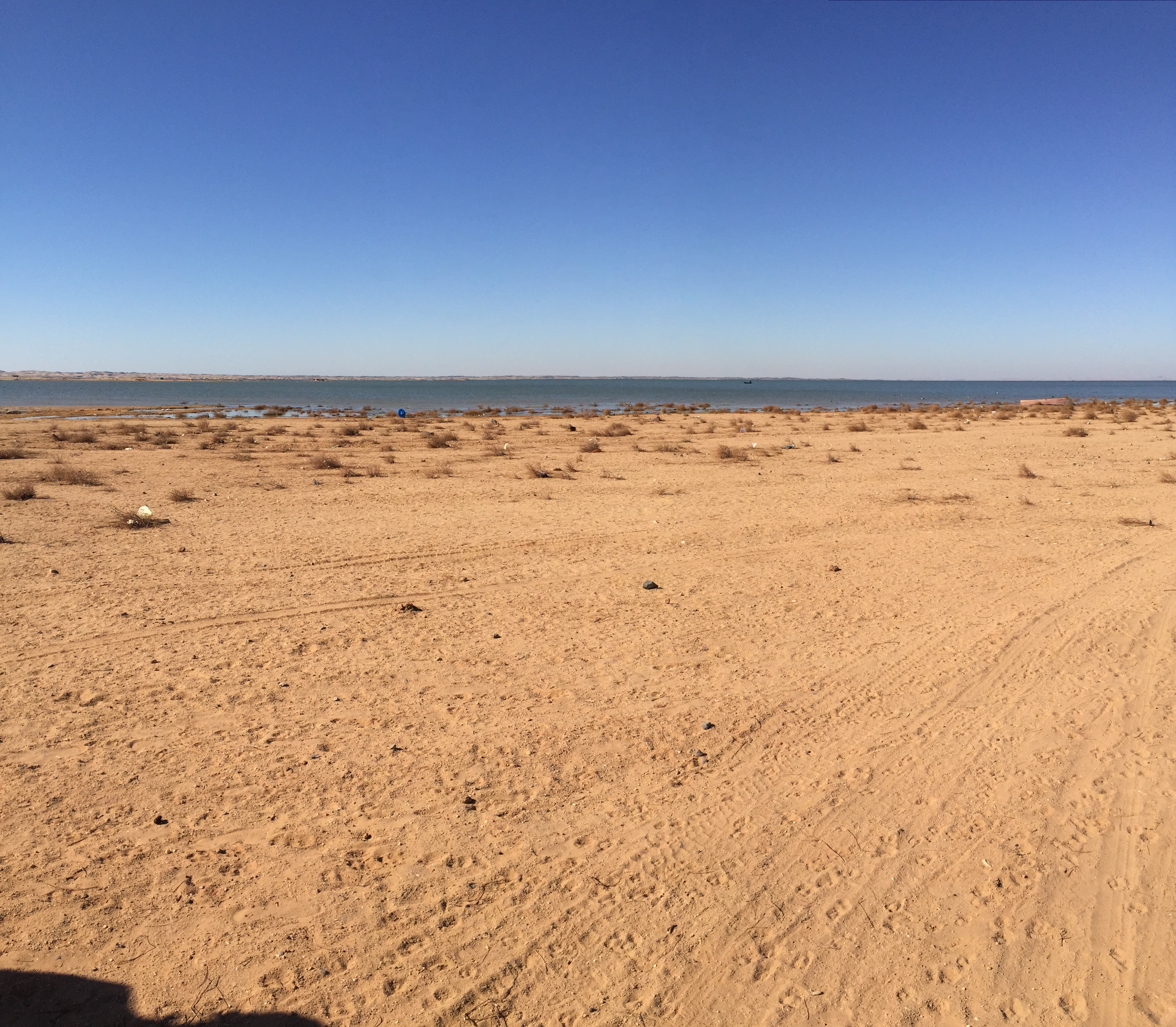
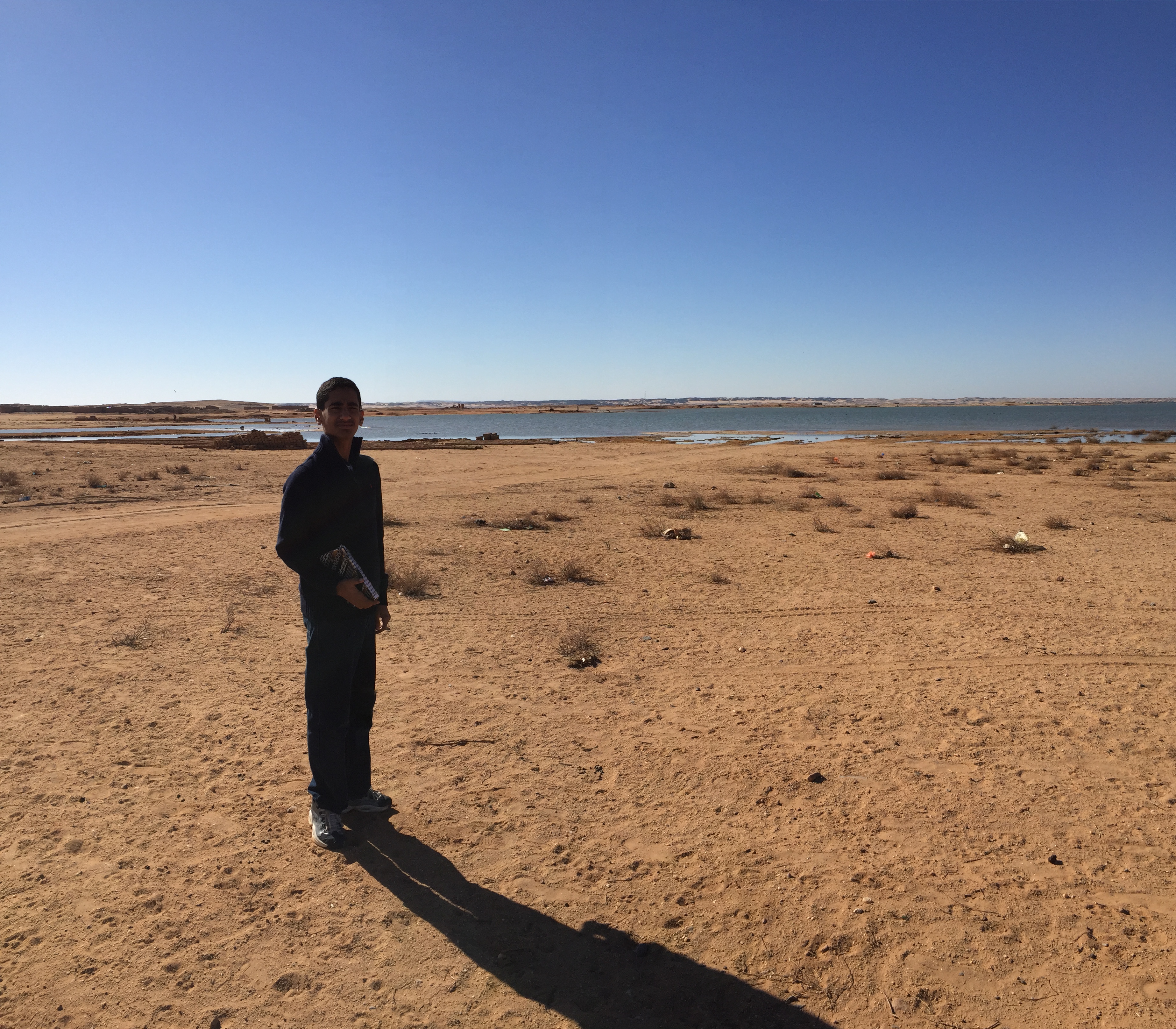
As we drove to the city center, Hamu pointed to the Lake at approximately the location of the villages on my father’s side were located.  There is no village; we only looked out at a vast expanse of water more like a sea, with some sparse vegetation growing at its banks.
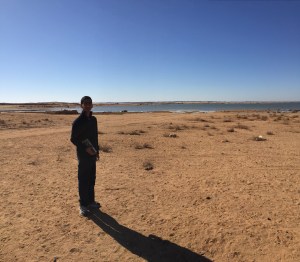
Overlooking the Nile, where there were once thriving villages At the water's edge, where our ancestor's villages may have stood

I asked to step out of the car.

As we walked to the water’s edge, Tariq and I looked out over the horizon and tried to imagine the villages in the valley below, teeming with life.  We were greeted by silence, except for small waves lapping up to the shoreline, and the sound of wind.  The water looked dark; impenetrable; cold.  This proud river, the world’s longest, was not going to easily forgive us for turning it from the source of life to a source of dislocation.  I felt compelled to offer a small prayer, recognizing the countless generations of deceased in the cemeteries below who, unlike the living, could not board the trains to higher ground.  These prayers could not penetrate but rather skipped along the surface like stones thrown by a father and son.  It was a feeling not of closure but of distance.  Too little, too late.

Fifty years too late to see the Wadi Halfa in its prime, as one of the most beautiful cities in Sudan.  In ancient times it was a trading city; the southern extension of the navigable stretch of the Nile that led to Aswan.  In modern times it was served by a train station to Khartoum and a steamer that would link it to Abu Simbel, only 70 kilometers to the north, and Aswan further downstream.  During the British conquest of Sudan, avenging the death of Charles Gordon, Wadi Halfa was the headquarters of the army of Lord Kitchener who had brought with him a war correspondent named Winston Churchill.

During World War II the allies used Wadi Halfa was a communication post. The British had built a railway in the 19th century that linked the country to Sudan.  Wadi Halfa was the economic and administrative center of the region between the first and second cataracts.  It contained tree-lined boulevards and the beautiful Nile Hotel that housed famous visitors throughout its history including a stream of dignitaries and royalty who supported efforts to salvage and document its history before the flood.

Our plan was to find Nubians, older than fifty, who had refused to be relocated to New Halfa and had experienced life over the last 50 years in Nubia itself.  They could convey to us what life was like and how they coped as Lake Nasser, called Lake Nubia in Sudan, filled up.  As the water line rose and pushed them back; these Nubians picked up their homes and rebuilt them, as well as the town itself, further back away from the rising waters.  They did this several times, as the Lake did not stabilize until the early 1970s, nearly a decade after the trains took the majority away.

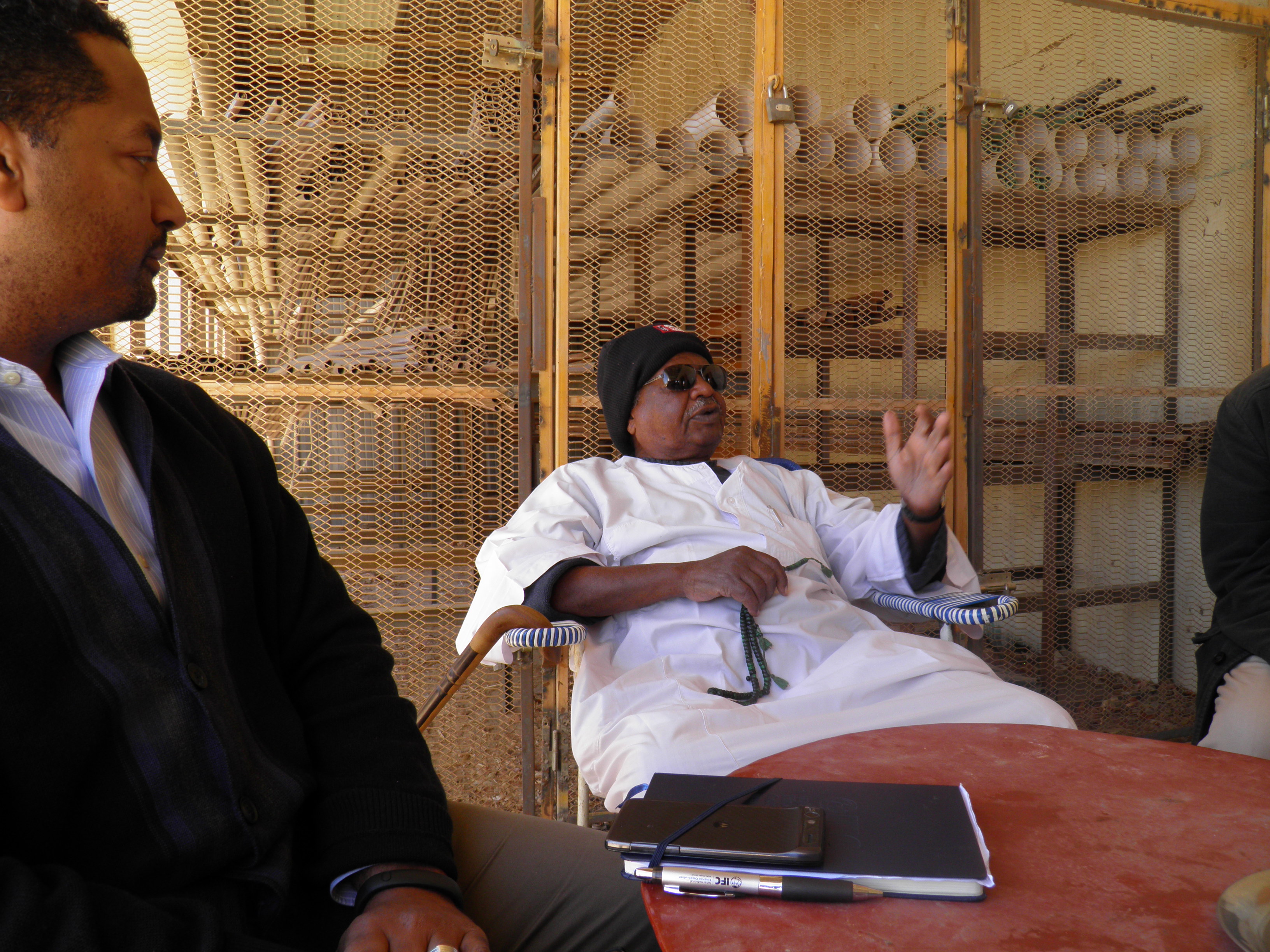
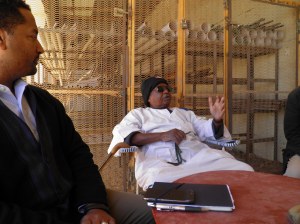
Downtown, we found three of them; Sawi Mohamedi Biteik, a retired educator, Yunis Mohamed Abdel Majid, President, Cooperative Union of Farmers, and Faisal Hussein Abdel Latif.  After walking around and seeing the present day town, very much a market that supported the new found gold wealth in the region, and the ferry that left every few days to Aswan, and now an increasing border trade with Egypt.

We sat down to a breakfast of fish, caught from the Nile, and fresh bread, and listened to their stories.  Like the residents of New Halfa, they bore the resentment of neglect and marginalization.  They first offered me a history lesson.
OLYMPUS DIGITAL CAMERA

They explained that the Sudan was completely unprepared for the negotiations with Egypt, and for this reason the compensation and resettlement efforts were completely inadequate.

In the 1950s, Egyptian President Gamal Abdel Nasser had made the High Dam a symbol of sovereignty and independence of Egypt, and a key part of his bid for leadership of the Arab world.  After the West refused to finance the dam, Nasser used this as a pretext to nationalize the Suez in order to generate the necessary funds.  After the ensuing Suez crisis, Nasser aligned himself with Kruschev who offered to finance and build the High Dam.

Implementing the High Dam would require that the Nile Waters agreement between Egypt and Sudan, in place since 1929, to be renegotiated.  Discussions with Sudan had taken place in 1952 that were inconclusive, as Sudanese negotiators were wary of continuing a very one-sided deal.

At the same time, Egypt was negotiating both with the British and Sudan over Sudan’s self-rule.   Egypt conceded the principal of Sudan’s right to self-determination in its discussion with Britain.  The agreement on self-rule called for a three-year transitional period, after which Sudan would decide either for unity with Egypt or for independence.   Egypt was confident Sudan would opt for, as King Farouk had touted, “unity of the Nile Valley.”  In fact, 1953 Parliamentary elections resulted in the party favoring union with Egypt winning 51 out of 97 seats.  The Nationalist party that favored independence on won 20 parliamentary seats.

This made it likely that Sudan would vote for unity after the transition period.  But not wanting to take any risks, Egypt deployed Major Salah Salim, a member of Nasser’s Revolutionary Command Council, as a senior liaison with the Sudan.  He went on a campaign to influence the outcome of Sudan’s decision in favor of unity.  His campaign in the north included radio transmissions from Cairo to Sudan which constantly tried to persuade the Sudanese.

On a trip to Southern Sudan, he spread cash and made numerous promises in order to win the favor of the southerners.  When he was greeted with a traditional Dinka tribal dance, in which the men dance nearly nude, Salah Salim shed his cloths and joined them.  Salah Salim was interfering in the Sudan while at the same time presenting Egypt’s foreign policy as one that favors non-alignment and non-interference.

His campaign of interference ultimately backfired.  The position of the Unionists, who had won the upper hand in Sudanese Parliamentary elections, was undermined.  The Prime Minister Ismail al-Azhari, whose career and ideology was built on a strong relationship with Egypt, recognized the popular discontent with unity with Egypt and called for full independence.  Thus January 1, 1956, Sudan became the first newly independent country in Africa – independent of both Egypt and Britain.  The nationalist party took power, led by Umma (Nationalist) politician Abdullah Khalil.

Independence did not solve every problem.  Between 1956 and 1958, Sudanese leaders from both major parties sought to find solutions to the intractable problems of building a new nation.  The task of forming a constitution was difficult.  Al-Azhari, the first Prime Minister, made little progress.  Khalil, the Umma party leader and second Prime Minister, also failed to overcome the country’s economic, political and security weaknesses.  Khalil allied himself with the United States, which immediately drew the enmity of Nasser and Egypt.

By November 1958 the situation had reached a boiling point.  The military led a coup d’état on 16 November 1958, to end, in the words of the Commander in Chief, “the state of degeneration, chaos, and instability of the country.”   With those words, Sudan’s first experience with democracy came to an end.  The third leader took power.  The country was not yet three years old.

This leader’s name was Abboud.  Two years later he would be invited by President Kennedy for a state visit to the White House and a tour of New York, Chicago and Los Angeles.  My father was dispatched from his job representing Sudan in UNESCO to help prepare this visit, which is why I was born in the US.

As a military man, Abboud had great admiration for Nasser, and was ready to reopen negotiations on the Nile Waters Agreement almost immediately.  By many accounts, he had improved Sudan’s position in the agreement, which was reached in less than a year.

But he was completely not prepared for an accurate estimate of what should be requested to compensate Sudan for the loss of Nubia south of the border.  He hadn’t visited Nubia.  Sudan’s negotiators went to Egypt with no request for compensation.  Egypt, strapped for cash to finance the dam along with a large public bureaucracy, offered 10 million pounds.  The Sudan countered with a request for 20 million, unsupported by facts.  Abboud and Nasser decided to split the difference and agree on 15 million points.  Simple as that.  The compensation for the loss of a thriving, beautiful trading town, the homes and farms and livelihoods of 50,000 Sudanese, the incalculable loss of archaeological history of ancient Nubia, was negotiated as if haggling over the price of shoes in a market.

They place the larger blame on the Sudanese side. They likened to a carpenter who cuts first and measures later.

The Nubians I spoke with had still not gotten over that fact, nor the subsequent neglect at the hands of the authorities. Many projects have been done in Sudan, benefiting from the Nile; ancient monuments were lifted, but nothing was done for those left behind.

When the new government turned to the issue of relocation, it first sought to consult and obtain the consent of Nubians but later chose to ignore their wishes.  Those who refused relocation stayed in a place that became cut off of all government services.  They had to rebuild their lives by themselves.  And yet, comparing the residents of Wadi Halfa and New Halfa, the old residents seem more satisfied overall.  Tariq took some notes on these meetings which will be shared in the next post.

Uncategorized

A frayed social fabric


No Comments

We woke up knowing that we had a long journey ahead of us back to Khartoum.  Word had gotten around from our evening visit that we were interested in knowing more about New Halfa and old Nubia from the elders.

Ustaz Rushdie came to see us again, and was far more emotional than the evening before, explaining that we had provoked in him a longing for home.  Madame Amina came back wearing the traditional Nubian dress, the jirjar, so that we could photograph her as we had asked.   In a few hours we manage to see five or six more families.

We went to see the farms and the water supply that we described in an earlier post.   With a lot of blessings and well wishes from the elders, the best kind of blessing, we were off.

Salah Zekki shares his view

OLYMPUS DIGITAL CAMERA

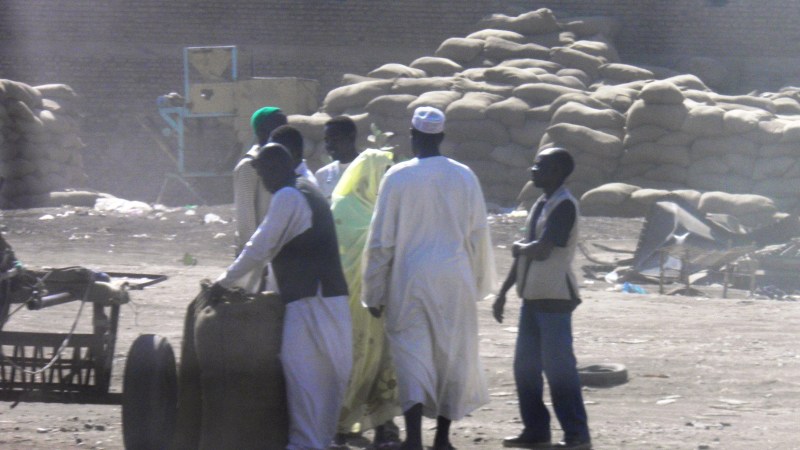
On the route back to Khartoum we stop in Gedaref, the agricultural center of Eastern Sudan.  It is a busy day at the market, despite it being a Saturday, since the sesame crop has been harvested, and many sacks of it are being exchanged.  It was a few days before Mawlid al Nabi, the birthday of the Prophet, and the markets were full of colorful decorations and sweets.  We stop momentarily to meet the lovely family of the driver in Gedaref.  It is a brief visit, and it is clear that the children miss their dad. A few tears were shed.

We spend a little time in the town, seeing people meeting and greeting, and getting ready for the holiday.

At the market in Gedaref

Seeing this town reminded me of a trip I had taken as a 20 year old.  Back in 1987, as university student, I had won a small scholarship to travel to Sudan in order to research my senior thesis comparing traditional and modern agriculture.  I had spent a few days in Gedaref with Wagdi in 1987 to better understand the more modern parfo The question was whether the semi-mechanized model in the rain-fed agriculture sector around Gedaref would flourish as an alternative to the traditional agriculture that was practiced among the Sudanese who lived in scattered villages.

Later that summer I wanted to see what traditional agriculture was like.  I decided to go to see a small town called Umm Ruwaba, which is half way between Khartoum and Darfur. My relatives did not want me to go alone, so they sent an older cousin who is now a school teacher.  But there was only one seat left on the bus.  I had nowhere to sit since a merchant was transporting six large jerrycans (five gallon plastic jugs) of cooking oil on the bus that he wanted to sell in the village.  Feeling a little guilty for taking all of the space, he offered me to sit on one of his large plastic containers.  I sat down and grabbed a pole as we made our way to El Obeid.    As the road bumped along, I held on to the roof of the bus and bounced on the large jerrycan.

The city gave way to the greenbelt, which in turn gave way to the dusty desert as the long path of asphalt stretched forward to the West. Abruptly, after two hours, the asphalt simply ended.  Undounted, the driver slowed down, eased the minibus off of the asphalt, and pressed on into the desert.  At this point the road became a roller coaster, lifting me off of the plastic, into the air, and back down on to the plastic jug.  I became dizzy, my head throbbing, nausea growing as the minibus drove over sand dunes.  After another hour I looked down and saw a patch of darkness on the edge of my thigh.  I turned to look at the source and saw that my pants were fully soaked in oil, as well as the back of my shirt and my body.

After hours of this we finally stopped.  I stumbled out into the dusty street in a daze, about to collapse.  I became ill in the street. I found a faucet and washed my face.  I had a piece of paper with an address on it, and I asked someone to guide me there.  It was easy to find, since everyone knew everyone else.  I knocked, a little kid opened the gate and let me in.  The mother of the family, seeing what a mess I was in, led me to a guest room; they showed me a bathroom and shower and I promptly changed and fell asleep until late the next morning.  I woke up, and my clothes soaked in cooking oil had been laundered and were folded next to me.  They gave me a wonderful breakfast, only a little of which I could eat.  He suggested we see a doctor.  We went, and under a dim lightbulb the doctor drew a drop of blood, spread it on a glass slide and examined it under a microscope.  He gave me the news. I had Malaria.  We got some medicine and went back home at he insisted that I go back to bed, which I did because Malaria makes one very sleepy. At that point, before I dozed off, he had a question he was longing to ask.  “Who are you?” he asked.  His family had taken me in, saved me from a deeper illness, fed me and washed my clothes, without ever asking my name.  When I told him, he was quite happy.  I stayed for days until I was strong enough to do a little of my research. But it was a sign of the strength of the social fabric, and the depth of relations between people, that one could literally trust your life with it, and that he would have done so much for me without ever asking my name.

In the 28 years since that summer, the Sudan has changed dramatically.  The population was around 18 million then, and now it has more than doubled to around 37 million.  At that time the Sudanese Prime Minister had been democratically elected, but the government was struggling with the economy.  A coup ended the regime and the brief second try at democracy.  Wars became the norm.  In 1983 Southern rebels led by John Garang resumed a war that had been in hiatus since a 1972 peace agreement, and other conflicts emerged in the East and West.  Agriculture was the central focus, and the country had just come out of the devastating droughts in 1984 that were the subject of various concerts around the world.

During the 1990s the new regime, at the time a combination of Islamist and military, largely isolated from international lenders, had deeply cut subsidies and public sector wages to bring budgets under control.  To its credit, it stabilized the economy, but this broke the back of the middle class as consumers of staples that had become dramatically more expensive, and as teachers, doctors and civil servants who could no longer make ends meet.

Late in the decade Sudan started to export petroleum and, for the first time in recent memory, the currency strengthened rather than fell.  As a result, business started to focus on imports and consumption, Khartoum grew both because of the spending in the capital, and because Sudanese living in the conflict zones fled there for safety. Khartoum for a short while became one of the biggest markets in the world for passenger vehicles.  But an oil sector might support increased consumption, but it does not create many middle-class jobs.  It tends to concentrate a lot of wealth in a few pockets and in the government.  It can help the country develop, and indeed the countries roads were far better.  But far too often it can fuel conflict by shifting more resources to security, create opportunities for corruption, make governments unresponsive to society, and create more inequality.

In Sudan, it seemed that the newfound wealth created a new elite, but one that didn’t seem to be fully accepted by society, and a new set of values that don’t seem to fit the people.  It seemed that the social fabric of the country had been torn up and sewn in a patchwork pattern; you could recognize the individual pieces of the old Sudan here and there but the overall texture, look and feel of the cloth had changed. Many of the pieces are frayed and tattered.

So it was of great pleasure to see as we passed through the market in Gedaref, and a sesame milling plant that was at capacity; agriculture was back.  It is again creating jobs and livelihoods for ordinary Sudanese, as well as migrants from Ethiopia and Eritrea. People were working.

As we drove the five hours back to Khartoum, I wondered if the succession of South Sudan would have a silver lining.  I had always seen it as both a victory for self determination and a failure of imagination –  a failure for ordinary people to see each other’s humanity, and a failure of leadership to help them see it.  Without oil income, and with a return to agriculture, would the older egalitarian values that come from hard work return?  Would that torn social fabric begin to heal itself?

Uncategorized

Home


2 Comments

The loss of Nubia for some is no tragedy, no great loss.  Just a set of villages that were standing in the way of progress.  Time will erase the sounds, the smells, the tastes of home.

As we wrapped up and reflected on our visit to New Halfa, the site where my father’s family was resettled, and walked through my father’s house, the question lingered.  Was this home for the Nubians or part of a long, incomplete journey.

Throughout history, Nubians have always made journeys.  Nubian archers were always a part of the ancient Egyptian armies, and more recently British colonial armies.  Nubian fathers have often journeyed to distant cities to earn a living for their families.  But the value of these journeys was always measured by the sweetness of coming home.  Perhaps this entire episode is just another of those journeys, and around the corner will be a forest of the familiar date palms and the silvery water, contrasted with the vast desert and wide sky.

Our history is made by journeys.  Moses had his exodus to the promised land.  The Prophet Mohammed fled Mecca and established Medina as a capital of tolerance.  American settlers had their manifest destiny.  MLK walked to Birmingham, and Selma, and saw the mountaintop.  These were all painful journeys, but fueled by a mission; the idea and hope for a new beginning in a destination that would be called home.

But the journey to New Halfa was different.  There was no will to leave the beloved home, so closely tied to their identities, beliefs, stories, myths, not for hundreds of years but for thousands.  In so many words the elders explain that they are hoping, searching for the cool, clean water of home, and find none and remain parched.  They are weary, understandably. Few understand what it is like to roam the earth in exodus but without a promised land, like itinerant soldiers with no possibility of relief or recuperation, to wander not for forty days and forty nights, but for fifty years.

In the great tradition of jazz music, a composition starts with a recognizable melody, a chord progression and cadence that is well understood and familiar.  Say, Miles Davis with the call and response with the bass at the beginning of So What.  We all recognize these few bars, connect them to some experience in our past; and anticipate the journey to something new.  He then drops an octave and joined by cymbal crash, announcing the start of the journey; the musicians step into the wilderness, drawing from their inner depths passion, anger, whimsy, or indifference as the case may be.  The tension builds as the journey wanders off into changes of chords and moods, silence, virtuoso riffs, or less so.  But in the end, the musicians look up, acknowledge to each other that it is time to bring it home.  They return to a few bars of the melody of the opening.  By returning to the familiar, we comforted and grateful for the journey.

What is home?    Home is not a roof, or walls or even a location. Home is belonging, legitimacy, authenticity, a place to set roots, to leave a trace of one’s existence on the face of this earth.  Home is a place to realize ones dreams and rest one’s soul.  As this generation of Nubians passes from this world to the next, I sense that their souls are not at rest.

At the same time their commitment to the new land is too tenuous.  This land is capable of providing, but this sense that they are in a land not of their own choosing may ultimately seal their fate.  Only by committing to the land will they prosper.  The younger generation appears ready, but it is not clear what it would take, after fifty years, to make this land home.

For the Nubians in the diaspora, the improvisation does not seem to end.  The music goes on and on, pain for some, joy for others, they struggle to return to the original bars, but the notes are gradually forgotten.  What is not clear is if the new song will at all reflect the sound of the water wheel and the birds, the wind flowing through the date palms, the spirit of the river and of Nubia.

Uncategorized

In their own words


2 Comments

A series of three videos in Arabic filmed in New Halfa.  All are of Nubian elders who are reflecting on their lives since the Hijra.

Ustaz Rushdie, an educator, reflects on his longing for home, and how after fifty years he still dreams of the life he had.

He married in the new country and raised his family.  His children have not seen Old Halfa, yet in his dreams they only appear in the old country.  Nothing in the new land resembles the old, whether the trees, the agriculture, the houses.  Also, old Nubia was isolated from other tribes.  Conflicts may arise from use of land between pastoralists and farmers, which in older times were easily resolved because everyone knew each other.

The land that was provided is larger, but requires mechanized farming and is less productive.  In old Nubia, the plots were smaller but more productive.  He commented on the loss of the language, especially in the towns between the villages.

Abdel Aziz Shelabi talks of being betrayed and fooled by the authorities in 1964, and compensated at a fraction of what was lost in the flood.  He talks about the unrealized plans, and that agriculture worked well initially but that the land has grown tired.  He complains that the project really is for the benefit of others and not the Nubians.

Hassan Abdel Halim talks about the neglect of the village and its infrastructure, including an unfinished road.

Uncategorized

New Halfa


1 Comment

After driving east for six hours from Khartoum, our driver Khatir, Tariq and I arrive in New Halfa.   We meet my cousin Amir in the market, and he guides us to his home.

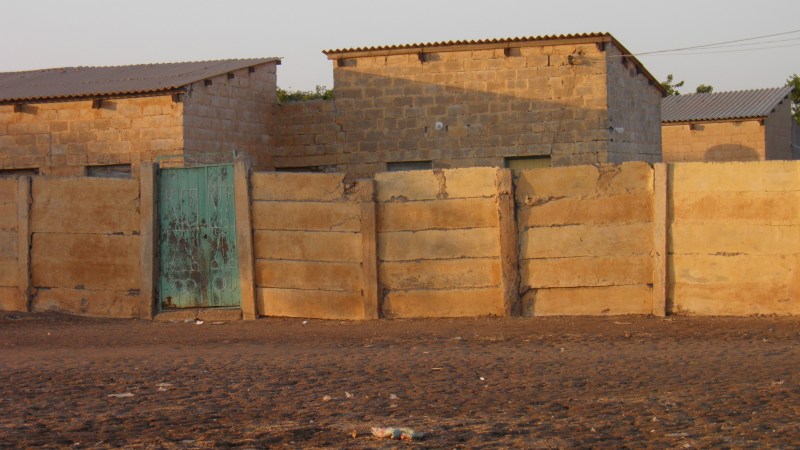
Each of the 25 resettlement villages is known by a number, not a name.  Each has 250 houses, a school, mosque and some shops within a communal area.    Our destination is village No 18, representing the village where my father’s family was relocated.  Each house is a yellow-brown color, walls of molded concrete blocks formed into four rooms, a slanted asbestos roof, and a courtyard surrounded by a fence.  There were no kitchens in the original homes, many homes have been modified.  The traditional Nubian decorations are absent from the gates, but some are painted brightly.

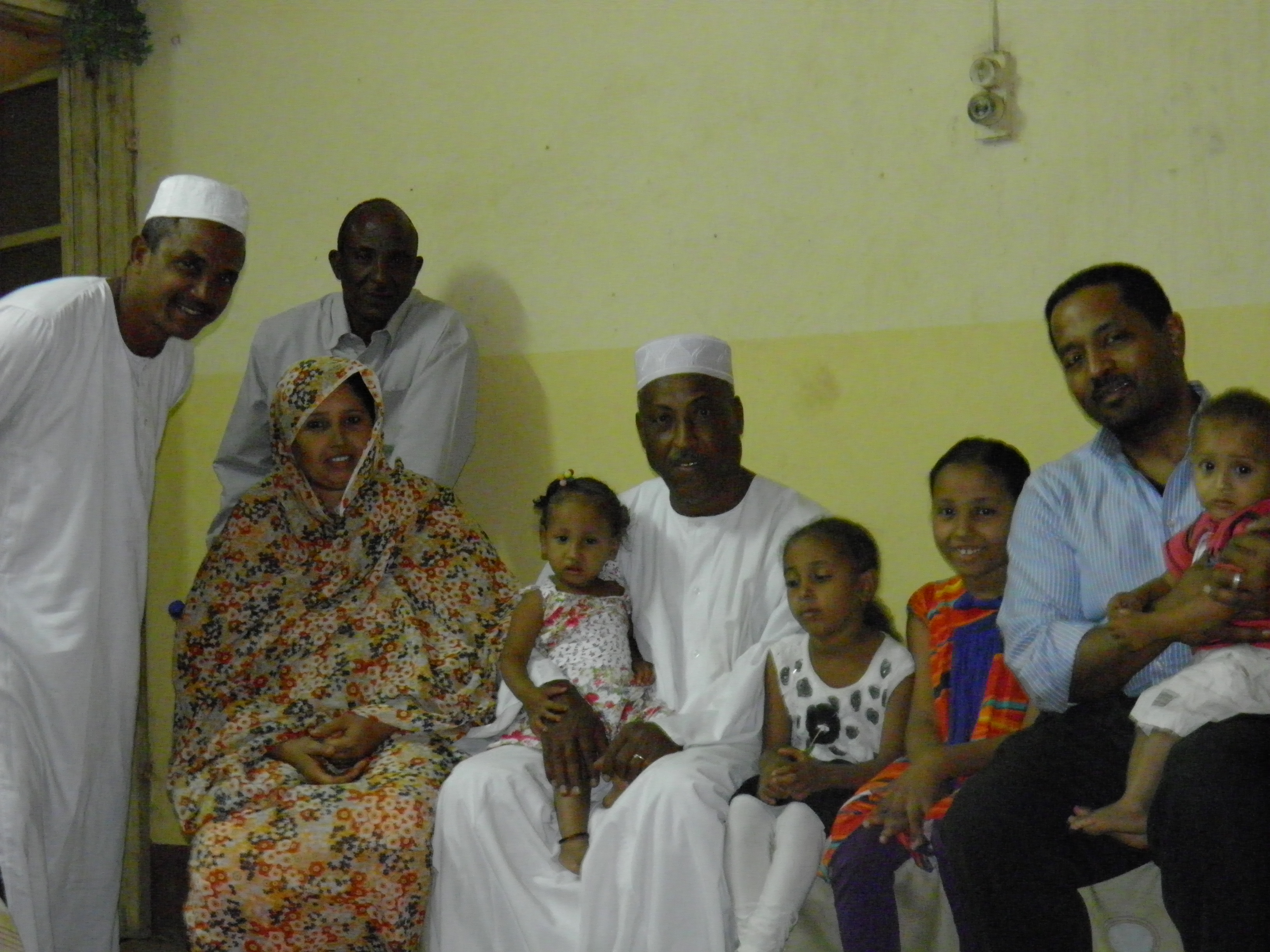
We arrive at around 3 pm, and are greeted with a wonderful Sudanese lunch by cousins, Amir and Mohamed Abdel Bashir.  We have never met before, but it is like a long-awaited reunion.  We share our condolences, since their mother, my aunt, has recently passed away.  We see old pictures, including one of my sister visiting the common grandmother that we share, another of my mother in college around 1960.  There is a painting of the train that took them on their exodus.  They are extremely hospitable, and we will stay with them.

OLYMPUS DIGITAL CAMERA

IMG_0398

???????????????????????????????

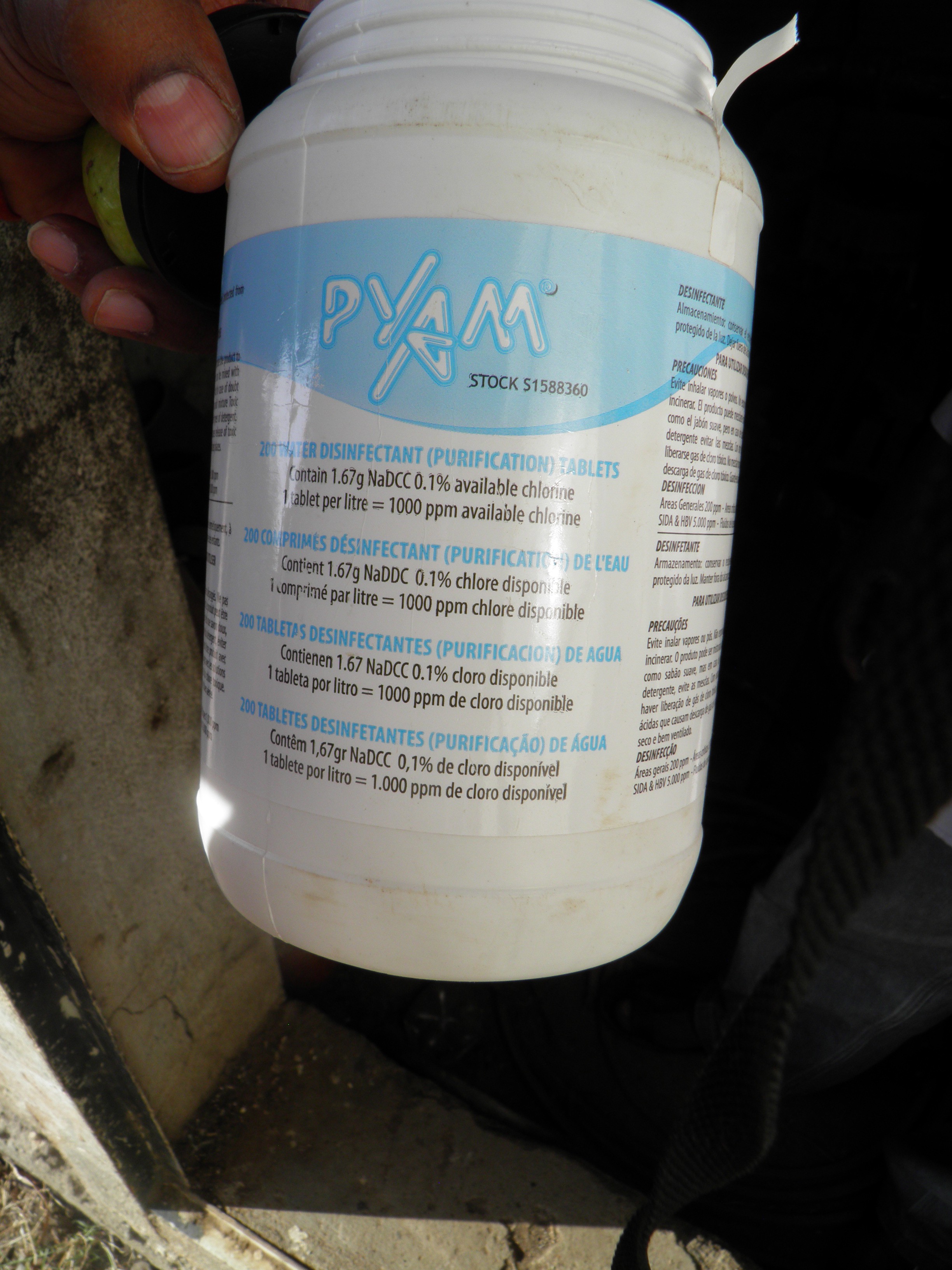
My cousins work the land that the families were allocated in the resettlement.  Mohamed was elected by a people’s committee to manage the water supply, which is unfiltered and used for everything from agriculture to human use.  Every day he goes to the well, which is fed by an irrigation canal from dam and puts in 30 water purification tablets to reduce the chance for water-borne diseases.  The same happens in all 25 villages.  An electric pump elevates the water so that it can be distributed to the houses.

30 of these tablets are used every day in the water well that supplies village 18.

Neighbors in Wadi Halfa were resettled together to the extent possible.  We set out to visit to the neighbors, taking time especially to talk to the elders who are old enough to relate the experience of “Al Hijra”.

It was an emotional day.  The conversations with the older Nubians evoked a deep sense of loss over a world and community that they loved.  Amina Hassan spoke about a place with no diseases, with easier agriculture, of date palms and orange trees, gardens, fresh water and clean air, the closeness of people to one another, and peace.

In New Halfa longing for the old life

“Even if I go to heaven,” said Abdel Aziz Saleh Shalabi, “I will still long for the Nubia that I lost.”

“When I dream at night, the world I see is the Nubia of his youth 50 years ago,” Hassan Abdel Halim explained,  “My children are there with me, although they were born in New Halfa. The new land never appears.” Ustaz Rushdi, a retired educator, was brought to tears by his own reflections of how life was, and how it is.

It is hard to express the deep sorrow that resides in the hearts of those that experienced the exodus.  The hearts of the older generation, those who carry forward the culture, have simply been shattered.  There is no other way to put it.

They sense that they were betrayed by fellow Sudanese and Egyptians, and that no one cares about their fate today; that they were fooled by many promises that went unfulfilled.

They explained that the Sudan was newly independent and unprepared in the years ahead of the exodus.  The President came to visit the Nubians after signing the agreement that sealed their fate, only then realizing the value of what he lost.  The President promised them that they would choose their new home.  The Nubians formed a committee, visited all of the sites and selected one.  But the government chose another.  Many chose to relocate to the capital, Khartoum, or like my family even further.  We visited the house allocated to my father.  Two guava trees grow in its courtyard; one bitter, one sweet.

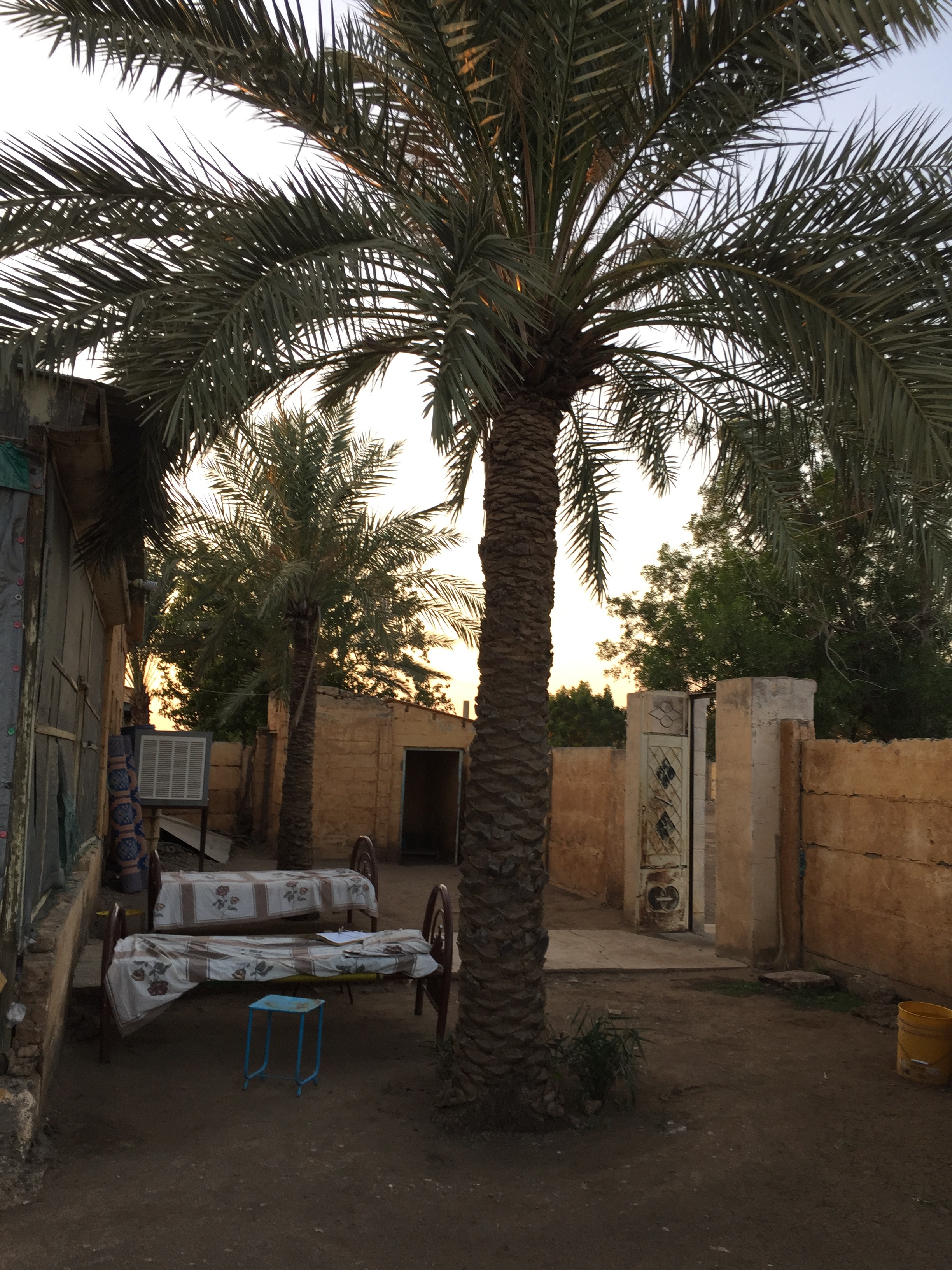
Father's house, in which one date palm and two guava trees grow
Father’s house, in which one date palm and two guava trees grow

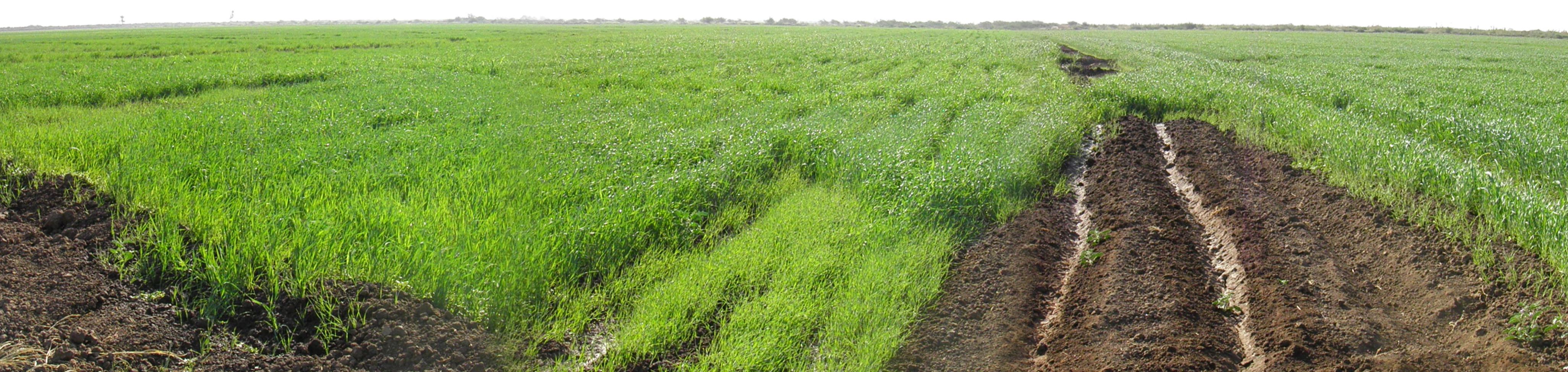
As Tariq explained, agriculture is different.  In Nubia, families were able to get high yields from small plots because of the fertile soil and water, and the weather that allowed year-round rotations of crops.   In New Halfa, plots of land are very large, and required much more labor.  After a few good years, the land now requires frequent fallow and is less productive.

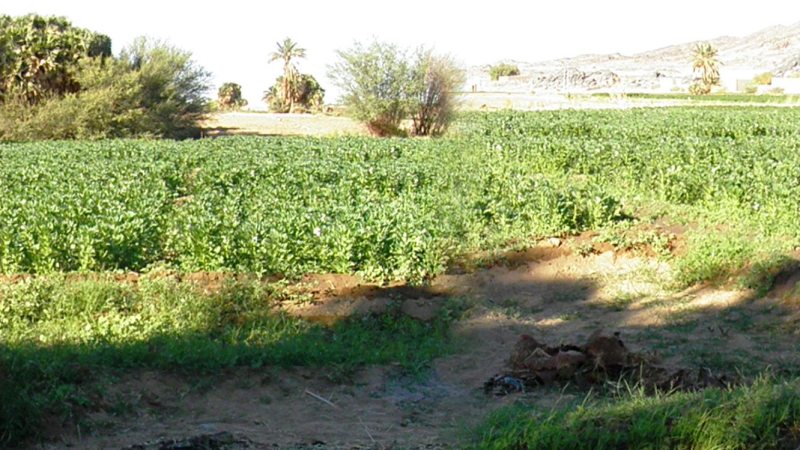
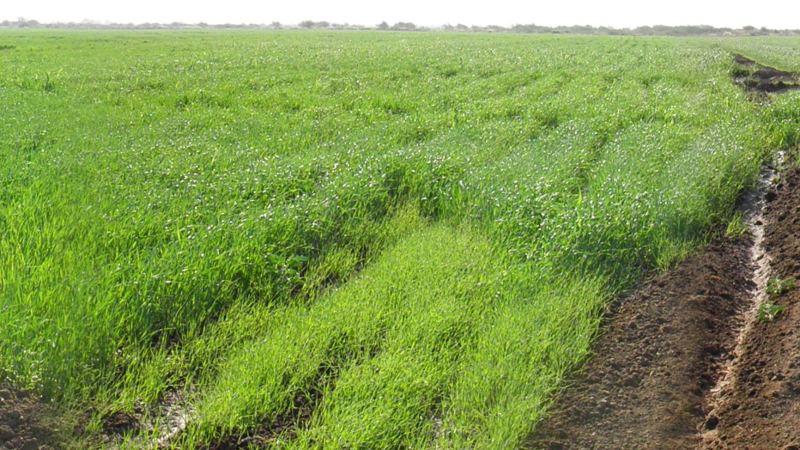
Irrigated Field New Halfa

Some of the younger Nubians who were born after 1964 did not know the old country and don’t see the need to look back.  There is value in this – those who look forward seem more ready to build a better future, and there is clearly opportunity in this productive area.  But among others is a clear sign of a lack of hope; young men standing around without purpose.

Anyone displaced must feel a sense of injustice. The Nubians chose neither migration nor their destination.  Words were spoken at the time of the migration to put them at ease.  There was the idea that the Nubians were sacrificing their homeland for the greater good of Egypt and an Arab nation emerging from a long history of colonization.  The unity of the Nile Valley resonates with many Sudanese.  Winston Churchill once said that the Nile is as a palm tree, with its roots in Africa and its fronds and fruit in the delta.  But to the Nubians I met, those words must now seem as hollow as the reeds that line the Nile.

It is clear that the culture is dying. The language is rarely spoken, replaced by Arabic.  The traditional dress of Nubian women, the “jirjaar,” a long black dress with a train behind, is gone. A train was possible in old Nubia because the ground was sandy and would fall off easily. But in New Halfa, they tried to shorten it to account for the more muddy soil, and then gave up.  They still enjoy Nubian music and weddings, but this is rare now.

Only 85 of the original 250 houses in Village 18 still belong to Nubians.   As this generation of older Nubians pass from this world to the next, I sense that the idea of Nubia will go with them.  Only then will have realized what we have lost.

Uncategorized

Tariq’s Notes from New Halfa


No Comments

We arrived in New Halfa around 3 pm and spent the day in visits. My son Tariq took good notes, so I’m sharing them directly.

Ustaz Rushdi, a high-school teacher in Old Nubia, was eager to share his impressions. These are my notes from meeting him.

Although villagers are given more land here, the smaller amount of land that they were given in Old Halfa was more valuable to them. It was easier to farm, and the yields were higher. Farms were more prosperous in Old Halfa, due to rich/fertile land near the Nile River.

New Halfa only contains of mountains and far ranging desert, in comparison to Old Halfa which had the Nile River flowing through it. The river provided silt and fertile land within its vicinity, which in effect resulted in high-quality fruit trees. They grew oranges, dates, okra and wheat.

The date trees were easy income for them on top of their crops and livestock. They are no longer given that opportunity of easy income. They now have to work much harder to gain higher income; especially with the issue of harder farming land.

The villages were closer together. In New Halfa, a village of 250 houses is separated by 6 or 7 kilometers from the next village, so it is difficult to maintain friendships across villages.
“The friendships, the river, the fruit trees could not be replicated.”

The native language, the Rotana is starting to alter as Arabic words are mixing into it.

The total compensation given to the Nubians for the lives that they lost, including the housing, factories, date palms, was 15 million pounds; far less than the value of what they lost. One of the men explained that he would not have chosen to emigrate to New Halfa if his place of work, a workshop, was not shut down.

Nubians appreciated the fact that everyone that resided in Old Halfa was Nubian. They were isolated from other tribes. They were united and friendly with each other. Disputes would be settled in a quick and fair manner. In New Halfa, several tribes of Sudanese are settled, some are shepherds, some are farmers. There are sometimes misunderstandings; arguments escalate very quickly. They need to find better ways to resolve conflicts.

Most of the older villagers desired that their children were born in Old Halfa instead of New Halfa; One of the men explained that he still dreamt of Old Halfa despite the fact that it has been decades since he has been there.

The Elderly villagers seemed to appreciate Old Halfa far more than New Halfa; the family that we are staying with contains younger people. They are more satisfied with their current life than they were with Old Halfa’s lifestyle.

Uncategorized

Khartoum and an overland journey


1 Comment

Arrival in Khartoum was unexpectedly pleasant. The weather in December is cool, and my cousin Wagdi and his son arranged a nice arrival and put us up in a new apartment at his mother’s house. From one of the important Nubian families, he treated us in an extremely generous and kind way throughout the trip.

On our first day in Khartoum we visited relatives. Visiting is a time-honored tradition; almost an art form. It can be entertaining, especially with someone with a good sense of humor. Visits reinforce the social network, which is built around the large extended family, by spreading news about weddings, births, graduations, illnesses or deaths, and general well-being of the whole family. The visits help maintain friendships over generations. An aunt in Port Sudan, far from our route, asked us to visit. She grew emotional when she found out that this was not possible, explaining through her tears that my visit would be like a visit from my father, who she dearly missed.

As a sign of hospitality, one is offered a sweet and a glass of cool water at the start of the visit. One might be offered tea, one of the Sudan’s traditional drinks, made from hibiscus flower or baobab, or mango, grapefruit or guava juice. Sudan has the best of these, despite what Indians or Filipinos may tell you about their mangoes. Greetings ensue, which include blessings of various types, checking on the well-being and news about brothers, sisters, cousins and their children. There may be two rounds of greetings. Then conversation begins, sharing perspectives on the US, and we learn about Sudan.

However important, Tariq was dead tired of these visits by nightfall.

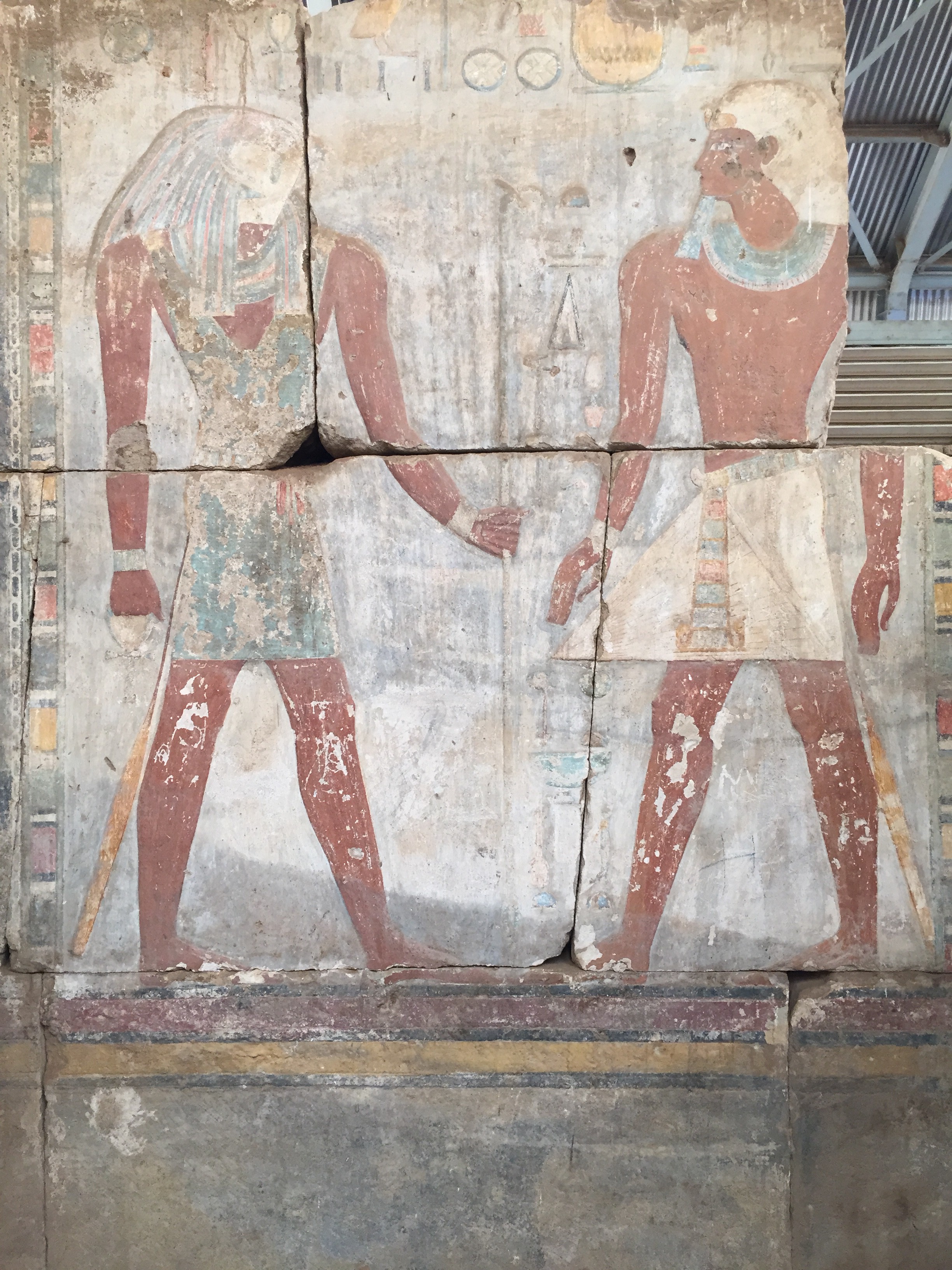
In the morning we visited the national Museum. The entrance fee was two pounds each, something like 30 cents. The museum contains colossal statues of the great Nubian Pharoah Taharqa, who unfortunately lost the empire by taking on the Assyrians in support of Jerusalem. Nubian jewelry, paintings from the Christian temples, and Kerma pottery that would make any artist proud are on display. But what we came to see were the Buhen and Semna temples, built by Queen Hatshepsut and Pharaoh Thutmose III, that were removed from Nubia at the time of flood, and rebuilt in the garden of the museum. Tariq and I were able to walk through, and enjoy walls full of hieroglyphics, some still painted in their original colors.

Supervision was lax. Similar temples at the Louvre or the Metropolitan Museum in New York are behind glass. Here, nothing prevents you from touching the raised hieroglyphics, 3,500 years old, bearing the original paint. It is painful to see the carved inscriptions of Turkish, Greek and British soldiers who left their marks in the 1800s, and modern visitors who leave their marks in Arabic, English and Chinese.

National Museum - templeAt National MuseumIMG_0352

We then visited what Tariq used to call the “egg building” while it was under construction, a modern building in the shape of a sail. Now the Corinthia hotel, we went up to the 18th floor and got a panoramic view of Khartoum. He had a thick mango juice and I had a spicy Sudanese coffee in a traditional clay pot.

I have mixed views on this building. When it was started the only large hotel was an ex-Hilton, with seven star rates and a three-star facility. Something better was needed. Col. Ghaddafi of Libya decided to finance a hotel costing around $100 million! The government removed the national zoo to make way for it.

It was developed in a moment of euphoria in the wake of the Comprehensive Peace Agreement with Southern Sudan, and a partial agreement in Darfur. I would have appreciated this hotel more if Libya had diverted some funds in parallel to projects, such as livestock exports, water or electricity that might have created jobs, better lives, hope, and a greater chance that the peace would have been sustained. The euphoria and the peace didn’t survive. Neither did Ghaddafi.

The next morning, after the dawn prayers we set out to visit New Halfa, where the Sudanese Nubians living in the flood zone were resettled.

The sun rises, the crowds are already at the various bus stops. We pass by factories, auto dealerships, markets, and more bus stops. Gradually, the sights of the city give way to the scenes of the countryside. Three girls walk chatting, each with a dark dress and different colored headscarf. An old sheik stands by the side of the road, his arms crossed, waiting. A soldier tries to hitch a ride. The bus fills up, slowing down traffic, we pass.   Across a field a boy rides on a cart pulled by a horse, it tosses its head and gallops along.

We pass a village called Kamleen, another called or “Heesa Heesa”. Three ladies cross the road, each carrying firewood. Five hours pass in similar scenes.

Mesquite trees line the horizon. Introduced by German donors who spread the seeds to combat desertification, the trees spread quickly and now the government has spent millions to eradicate this tree.  As we get closer, Gum Arabic trees line the road. Native to Sudan, the trees provide income to poor farmers, fodder for animals, and improve the soil. Sometimes we need to appreciate local solutions.

The mud brick houses look tenuous, as if the next big rain might take them away.  We turn off the main highway around Kassala, and approach New Halfa.

A shepherd guides a bull toward some pasture, a herd of cows follow. A group of boys Tariq’s age swims in the irrigation canal, laughing, and another warms himself sprawled out on the black asphalt, until the last second, when he springs up away from incoming traffic.

Heavy traffic on our path to new Halfa, we wait patiently.

The land is green, irrigated farms on either side. A donkey stands in the middle of the road, undecided.

It is said that when the Nubians were resettled, they found a large herd of donkeys milling about in the agricultural area. The British had used them in World War II in mine clearing operations against the Italians and then set them free. They multiplied. Each Nubian family took one to use to help cultivate their plots.

A pool of irrigation water to the side of the road, and a flock of white herons drinks. The land area is simply massive, there is flat earth in all directions as far as the eye can see.

The outlines of the standardized housing built for the Nubian migrants start to appear.

We’re approaching New Halfa, the resettlement area that the government chose against the will of the Nubians fifty years ago.

Uncategorized

And so it begins …


2 Comments

I woke up this morning in a room overlooking the Nile, a bright, clear day. The water glistens.

My son Tariq is asleep, making evident to me that, among the most important things one loses in 34 years, our difference in age, is the ability to sleep uninterrupted for eight or ten hours straight irrespective of jetlag.

It is the first day of a journey that, for the moment, seems more important to me than to him. We are going to Sudan, the first time for me in five years, and the first time for him in perhaps seven. But we’re going further. We’re are going to explore the villages of my now-deceased grandparents and ancestors in Nubia.

Fifty years ago, two years before I was born, the last trains left the villages in Nubia for New Halfa, leaving behind a civilization, a way of life, and a land that sustained a people continuously for seven thousand years.  This emigration, called al Hijra by the Nubians, resulted from the inundation of the homeland of the Nubians by Lake Nasser and the Aswan High Dam. All said, 50,000 Nubians were resettled on the Sudanese side of the border and 70,000 on the Egyptians side.  I have never set foot in Nubia, yet I feel compelled to make this journey, and make sure my son is with me.

Perhaps because Nubians come from Upper Egypt, which is among its poorest regions, perhaps because of their darker complexion, or perhaps because of the traditional role that many Nubian men have played as doormen or servants in the palaces of Ottoman Pashas, the Nubians, in the popular imagination, often seen as simple country folk by the cosmopolitan Cairo or Alexandria crowd.

As a result, Nubia is not understood as a source of civilization, a cradle of history, but as the end of the road – a road on which played out an enlightened Mediterranean civilization of Pharaohs and Moses, Hyksos and Assyrians, Romans and Greeks, Turks and Brits, an Elizabeth Taylor-like Cleopatra and Richard Burton-like Anthony. At the end of this cul-de-sac, in the popular imagination, there is a Nubian house where country folk live, beyond which is a barren landscape, wilderness, primitive darkness and Africa.

But the stones tell a different story. The history of this region is long, and the relationship between Nubia and Cairo has ebbed and flowed like the Nile that glistens below. In Nubia has existed poverty but also fabulous wealth, simple rural lives, and the seats of complex empires. In fact civilization flowed in both directions; Nubia was not a cul-de-sac but an intersection of cultures, trade and ideas.

Nubia’s place in history has been chronicled in the Old Testament, the writings of the Greeks including Homer, Diodorus, and Flavius, in the stones and the clay artifacts unearthed by archeologists. As early as 13,000 BC, organized social structures and a complex civilization emerged, supported by a cattle-based economy, with strikingly modern-looking clay pottery the world’s first cemeteries an unmatched ritual devotion to their gods and kings.

By 3,000 BC, society flourished, and traded with distant lands.  As early as the sixth dynasty (2,300-2,400 BC) there were diplomatic, cultural and economic relations between the capital of Nubia, Kerma, and the capital of ancient Egyptian, called Memphis (near Cairo). Ancient Egypt and Kush vied for supremacy for millennia; Kush grew more powerful when Egypt was weakened by invaders from the north; Kush in turn grew weaker through its conflicts with neighbors to the south.

Around 750 BC the Nubians were in the ascendancy, and finally conquered the Nile Valley in which is now called the 25th and 26th dynasties. The Nubian Pharoahs, starting with Piankhy, revived the religious traditions and culture of the Nile Valley and extended Nubian power from Khartoum to the Delta. In fact, the Nubian Pharaohs projected power beyond their borders; it was a battle in support of the Jewish kings of Jerusalem against the Assyrians that ultimately brought down the dynasties.

It is difficult to imagine today. History ended 50 years ago, before we could fill in the details. The better part of Nubia was submerged by the Aswan High Dam.

To discover the truth – the source of the dignity, piety and humility that courses through Nubian blood – requires a journey. As John Garang said at the outset of his speech at the end of Africa’s longest civil war, understanding Sudan requires us to first withdraw, to step back, as a tsunami first withdraws and gathered strength before issuing forth in its full fury. This is our moment of quiet.

The plane takes off and we lift into a dusty Cairo sky, as if into a “Haboob” dust cloud rather than the low atmosphere of a normal day. There are in fact no clouds, but visibility is limited by the winter haze of Cairo, a mixture of burning agricultural waste, pollution and dust from the teeming masses below.

The glaring sun through the window fades into an angry red-orange line across the horizon, splitting the vast grey desert and the deep cobalt sky, in which one star and a crescent moon stand watch. On the other side, a British-Sudanese family makes its way back home with heavy London accents.

Anticipation

Two hours later, we start our descent.