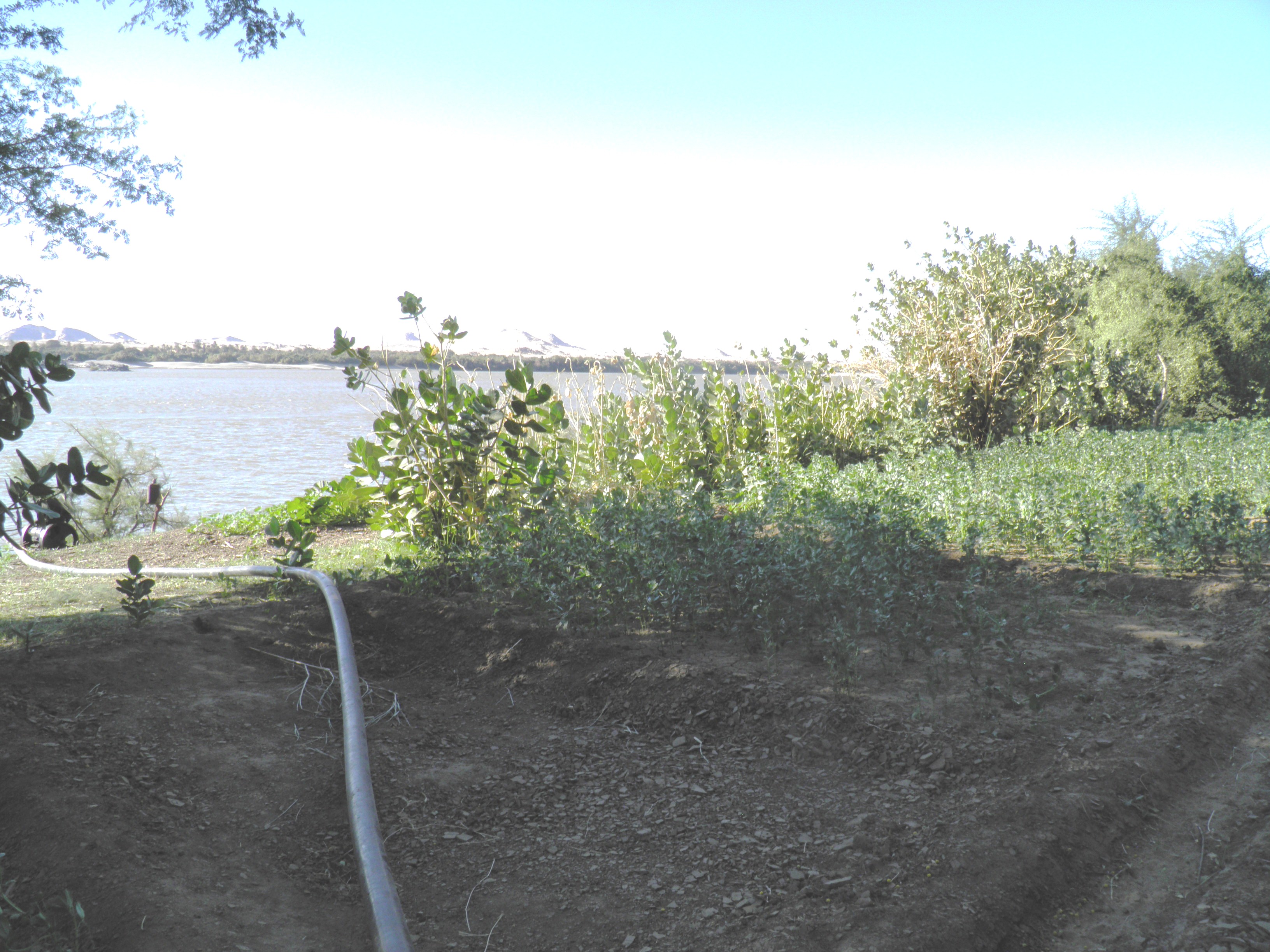
Emerging from the home of my mother’s parents and grandparents, we follow the path out toward the river, through the cultivated field, through the grove of date palms, and to the edge of the water. On the way, I ask to see the water wheel.
The farms of the village were watered by a Saqia, the old water wheel that Hamza al Din used to sing about in his gravelly old voice.
http://www.nonesuch.com/albums/nubia-escalay-the-water-wheel-oud-music
The Eskale as it was called the local Rutana language, was powered by an ox, a gorondi, who turned a wooden wheel around its axis, which was geared to a vertical wheel, a goshor, that in its course dipped clay pots, Feshai, into Nile water that, having traveled from the mountains of Ethiopia or Rwanda, found its destiny in irrigating the small but intensively cultivated fields. The rhythm of the Saqia, the oxen slowly turning the wooden wheel, the sound of the ropes on wood, the sound of clay pots entering the river, lifting, pouring out just enough water and not more, marked time in those villages, marked the day into two shifts of agricultural work, carved the week into work days, the year into the three seasons – the flood, summer and the bitter, cold winter. And so in the valleys carved by the Nile grew date palms, wheat, oranges and okra (oyai) in abundance, which sustained a civilization, a people called Nubians, since before there were pharaohs or great men or anything called history.
For such a society to persist for seven millennia in such a confined space, it required deep reserves of what Buddhists might call Dhamma-vinaya, or Western philosophers might much more simply call ethics, as a basis for social harmony. There was a balance between nature, on the one hand, and man’s desire to accumulate wealth on the other; a desire called “Al Takathur” in Islam. In Nubia this was determined by the simple technology handed down the same way since before the Romans. The Saqia and the ox turned at a speed that determined how much water could be drawn, and therefore how far away from the river the canals could stretch; and therefore how much land could be worked, and therefore how much each could accumulate and own. Man’s animal spirits were held in check by the animal’s speed.
Courtesy of Nubian House in Abu Simbel, here is an example:
Water wheel in Nubian House, Abu Simbel
These natural limits forced Nubians to adopt social rules that emphasized cooperation while also maximizing the output from those small plots. The water wheels and canals could not be built, and the scarce land could not be productive if every individual worked for themselves. Success required some harmony. Grandfather Abbas’ father Mohamed and the other families worked together to maintain the Saqia, and the sons and men of those families also helped with the farming. The farmers that worked would receive their due for their labor, along with the investors that shared in its cost. As such a system which combined community ownership and individual effort emerged. The Nubians figured a way to jointly invest and build assets, maintain records of the shares that belonged to each, and even trade these shares. This way the village avoided the fate of many societies, the curse of inheritance dividing and fragmenting the land into smaller and smaller plots, until it could not be farmed productively and left the young generation little choice but to leave for want of a chance.
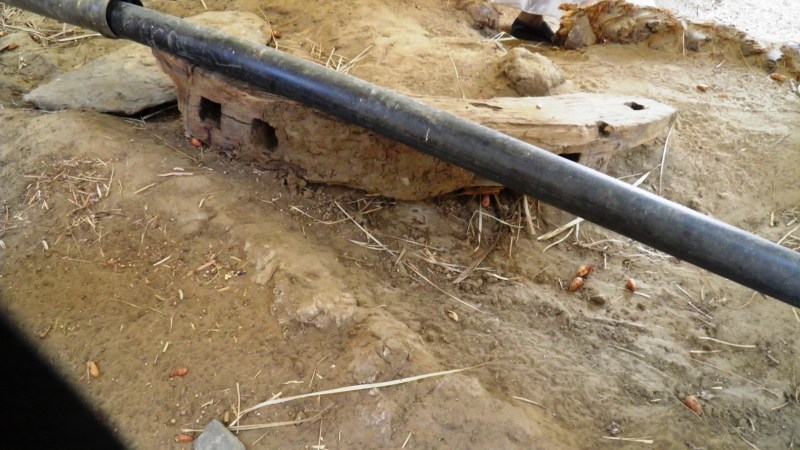
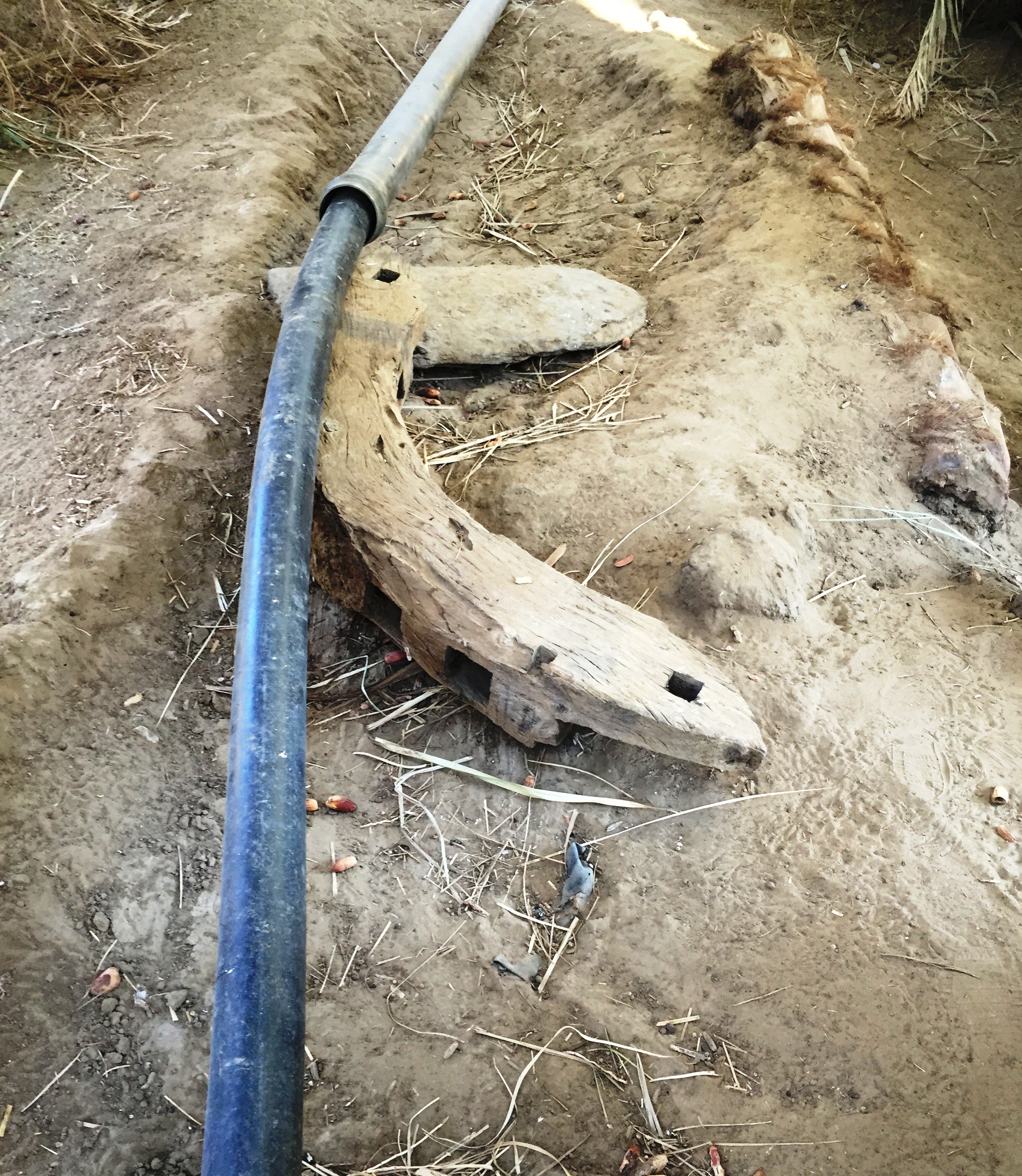
We walked toward the river, on a path between the fields. Through the grove they point to the place where the water wheel stood. There is no water wheel. Only a small remnant of the wheel remains intact, and this piece is being pressed down by a black water pipe that leads directly from the river to the field.
This wonderful technology was gone, and the remnant was now holding up a black pipe. The power of the ox has been replaced by the power of a diesel pump. it brought water with ease; it surely allows more land to be cultivated, and saves time. But there is no beauty in this black pipe.
I reflect on this.
I wonder how much of our culture and identity was tied to the water wheel. We know culture as the set of beliefs, artistic expressions, knowledge, morals and customs that we acquire as a result of being part of a particular society; it is our collective inheritance. Part of the culture of the Nubians, since at least 200 BC and until very recent times, was this water wheel. But would many small changes like this eventually have eliminated what we knew of the culture of Nubia even without the high dam?
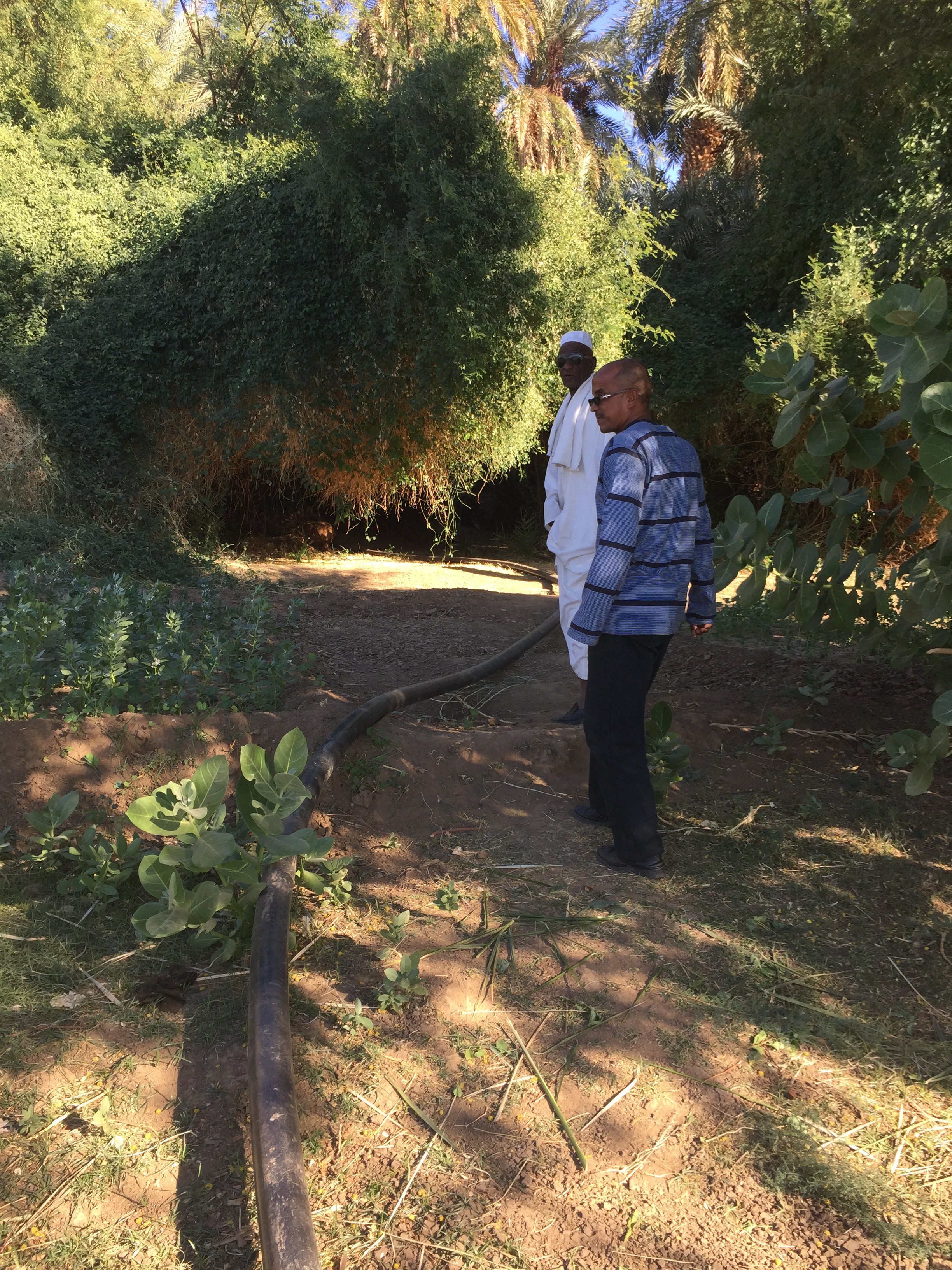
I cannot blame anyone for wanting to use modern technology. Nubian men often worked away from their village and left the farming to the families left behind, led by their wives. It was difficult work. A diesel pump would make life easier.
But just as this imported technology displaced something genius and home grown, does this imply that the ideas, culture and identity would also be displaced, or would it have been integrated and absorbed into a new Nubian culture? Has it eliminated some of what bound Nubians to each other; the need for collective effort to maintain the canals and the water wheel? I don’t imagine songs will ever be written about this black pipe or the beating sound of the diesel pump.
We make some more visits, see stop by a house where another family recalls my older brother Semir who had visited this village in the late 1950s or early 1960s. We enjoy a wonderful tea and the typically Nubian dried sweetened bread, gargosh, which is taken with tea. We enjoy a conversation, a recollection of old times. The people are here for each other.
Through these changes I still see the outlines of a beautiful culture, a village called Serkametto where 50 years later one can visit and ask about their deceased ancestors, and still find their friends walking around and recalling them fondly.
There is change, but there is continuity.


 After the flood